Water pooling under your boiler usually means the pressure is too high, a seal or joint has worn out, or a part inside the boiler has failed. Switch the boiler off if you can reach the controls safely with dry hands, put a bowl or towels under the drip, and note the pressure gauge reading. Never open the boiler casing. Call a Gas Safe registered engineer the same day. A typical repair costs £120 to £750 in the UK, averaging around £300 (Checkatrade, October 2026). If you smell gas, leave the property and call the National Gas Emergency Service on 0800 111 999.
Find your situation first
- Steady drip or puddle under the boiler, heating still working: go to where the water is coming from.
- Water pouring out, or water near sockets and switches: go to what to do right now.
- Pressure gauge above 2 bar, or water from the small copper pipe outside: go to pressure too high in the causes table.
- Pressure keeps dropping and you keep topping it up: go to the causes table.
- Smell gas, or the carbon monoxide alarm sounds: leave the property and call 0800 111 999.
Where the water is coming from
Where the water appears is the best clue you have — it is the first thing an engineer will ask about. Dry the floor, then watch where it comes back. Worcester Bosch advises switching the boiler off and contacting a Gas Safe registered engineer if you spot a leak: their guide to a leaking boiler lists the same warning signs — drips underneath the boiler, a falling pressure gauge, and topping the pressure up more often than usual.
| Where you see the water | What it usually means |
|---|---|
| Dripping from the small copper pipe through the outside wall | The pressure relief valve letting water out, usually because the pressure is too high. Do not touch the pipe while it discharges — the water can be scalding. |
| Under the boiler, from a joint or valve you can see | A loose fitting, a worn washer, or a corroded valve under the boiler. |
| From the white plastic condensate pipe or its joints | A blocked, disconnected, or cracked condensate pipe. |
| From inside the casing, dripping out of the bottom | An internal part: a pump seal, a pipe joint, or in the worst case the heat exchanger. Engineer only. |
| On the floor but the boiler looks dry | Water may have run along a pipe from a radiator valve or a joint nearby. |
What causes a boiler to leak from underneath
A puddle underneath the boiler does not say which part has failed. The cause decides whether there is anything safe you can do, or whether it is an engineer job from the start.
| Cause | What you will notice | Safe to check yourself, or engineer job |
|---|---|---|
| Pressure too high | Gauge above 2 bar when cold, or near 3 bar; water from the outside discharge pipe | You can read the gauge and bleed a radiator to bring it down — see the safe checks. If it keeps rising, engineer job. |
| Pressure relief valve worn or stuck | Drip from the discharge pipe even when the pressure looks normal | Engineer job — the valve is part of the boiler’s safety system. |
| Expansion vessel has failed | Pressure rises sharply every time the heating comes on, then the valve dumps water | Engineer job. |
| Worn seals, washers or joints | Slow drip from a visible joint under the boiler; green or white staining on copper pipes | You can look and mop up. Replacing is an engineer job — never force a joint. |
| Corroded pipes or heat exchanger | Water from inside the casing, rusty water, boiler losing pressure with no visible leak | Engineer job. |
| Condensate pipe blocked or cracked | Water under the boiler in cold weather; gurgling; boiler locking out | You can check the outside pipe for ice or a blockage and thaw it with warm water. A cracked pipe or trap is an engineer job. |
| Pump seal has failed | Drip from the bottom of the casing, often with a new noise from the pump | Engineer job — the pump is inside the casing. |
| Poor installation, on a new boiler | Leak within weeks of a new install, from a joint or the flue seal | Call the installer back first — it should be covered. Do not let anyone else open it while it is under warranty. |
Pressure is behind most leaks from underneath: our guide to boiler pressure too high works through why it keeps rising.
What to do right now: safe checks, in order
Work through these in order. They are checks on the outside of the boiler only. Never open the boiler casing, never tighten anything inside it, and never use leak sealant or tape as a fix. Gas work is for a Gas Safe registered engineer only — by law, every gas business must be on the Gas Safe Register.
- Smell gas, or hear the carbon monoxide alarm? Stop. Leave the property, do not use switches or naked flames, and call the National Gas Emergency Service on 0800 111 999 from outside. A water leak alone does not mean gas is escaping, but a suspected gas emergency needs its own response.
- Is water near switches, sockets, or wiring? Do not touch them, and do not stand in water to reach them. Switch the power off at the fuse board instead, if you can do it with dry hands.
- Switch the boiler off. Use the controls on the boiler, or the switch next to it, if you can reach them safely. Do not keep running a leaking boiler to see if it clears up.
- Contain the water. Put a bowl, tray, or old towels under the drip, and mop up. A dry floor shows where the water comes back from.
- Read the pressure gauge and note it. Cold, it should sit around 1 to 1.5 bar. Above 2 bar is too high; near 3 bar, the relief valve opens and dumps water. A gauge falling over days, with water underneath, points to a leak.
- Look underneath, without touching. Which joint or pipe is wet? The pipes under a boiler get extremely hot.
- If it is pouring, turn the water off at the stopcock. It is usually under the kitchen sink. That stops the leak on the hot and cold water side.
- In cold weather, check the condensate pipe outside. If the white plastic pipe is blocked or frozen, thaw it with warm water poured over the outside. Never pour boiling water on it, and never chip ice off it.
- If the gauge is above 2 bar and the system is cool, bleed one radiator a little to bring the pressure down. If it climbs straight back up, stop and call an engineer — bleeding again only masks the fault.
- Call a Gas Safe registered engineer. Say where the water appears, what the gauge reads, whether the leak is still running, and whether the boiler has shown a fault code.
When to stop and call
Call an engineer if any of these apply:
- Water is pouring out, or the leak is getting worse while you watch.
- Water is near electrics, sockets, or the boiler’s controls.
- The pressure keeps rising after you bled a radiator, or keeps falling after you topped it up.
- The boiler has locked out, shows a fault code, or makes a new noise.
- You can smell gas, or the carbon monoxide alarm has sounded — leave and call 0800 111 999.
- The boiler is still under warranty, or was fitted recently — call the installer first.
- You are not sure where the water is coming from.
For a visit, book boiler service in Bradford and say where the water appears and what the gauge reads. Or call Plumber Bradford Pros on 01274 041977.
What it costs to fix a leaking boiler
Every figure below is a UK guide average from Checkatrade’s boiler repair cost guide, last updated October 2026 — not this business’s prices. Your quote will depend on the fault, the boiler model, and the parts needed. The guide’s table excludes VAT, so check whether your quote includes it. Checkatrade’s boiler repair cost guide breaks the figures down by fault.
| Repair | UK guide range | Average |
|---|---|---|
| Typical boiler repair, parts and labour | £120 to £750 | About £300 |
| Emergency boiler repair | £225 to £675 | About £450 |
| Gas engineer hourly rate, plus parts | £50 to £80 per hour | About £65 per hour |
| Gas valve replacement, labour and parts | £180 to £220 | — |
| Flue replacement, straightforward horizontal flue | About £200 | — |
| Annual boiler service | £80 to £120 | About £100 |
A small seal or joint repair sits at the cheaper end. A heat exchanger is one of the dearest parts in a boiler, so if the boiler is old and the repair costs a large share of a replacement, ask the engineer whether repair still makes sense. A new boiler costs £3,000 to £15,000 on average, according to Checkatrade. Before you pay for a repair yourself, check whether you already have cover — a warranty, boiler cover, or home emergency cover may pay for it. Most home insurance covers the water damage a leak causes, but not the repair itself, so check your policy before you claim and keep photos of any damage.
Why this matters more in Bradford terraces
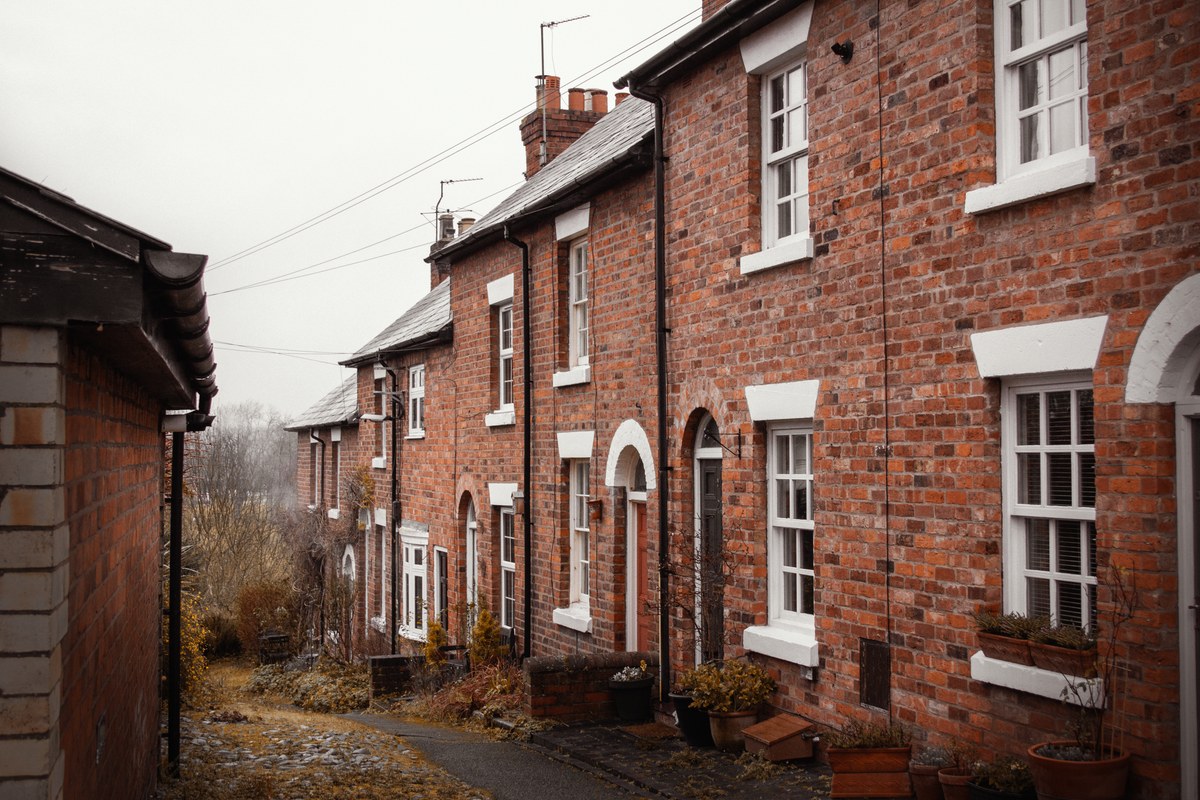
Bradford’s Victorian and Edwardian terraces hide boilers in awkward places: kitchen cupboards, bedroom cupboards, lofts, and cellars. A leak in a cupboard can soak the floor and wall behind it before anyone notices. In a loft, the first sign is often a damp patch on the ceiling below, not water by the boiler.
The outside pipes are easy to forget in a terrace. The relief pipe and the condensate pipe both run through an outside wall, often at the back of the house where nobody looks. In a cold snap, the condensate pipe freezes first, and the water it cannot drain has to go somewhere — usually back under the boiler. A quick look at the back wall in winter beats a guess indoors.
If you rent, tell your landlord straight away — the boiler is their responsibility, and a small leak left alone can turn into ceiling damage. Our central heating service in Bradford covers pressure and expansion-vessel checks across the whole system.
Keeping it from happening again
- Service the boiler every year. A service costs £80 to £120 as a UK guide average (Checkatrade, March 2026) and catches worn seals and early corrosion.
- Glance at the pressure gauge once a month. Cold, it should sit around 1 to 1.5 bar. A slow fall over weeks is an early sign of a small leak.
- After bleeding radiators, check the pressure and top it up to around 1 bar. Too low strains the system; too high pushes the relief valve.
- Keep the condensate pipe clear. In cold weather, check the outside run for ice and make sure it drains freely.
- Do not ignore a small drip. Green or white staining on a copper pipe is a joint telling you it is failing.
- Keep the floor under the boiler clear. If you can see it, you will spot a leak days earlier than if it is hidden behind boxes.
Frequently asked questions
Is a leaking boiler an emergency? Treat it as urgent: switch the boiler off, keep water away from electrics, and call a Gas Safe registered engineer the same day. It is an emergency if water is pouring out, is near electrics, or you smell gas — then leave the property and call 0800 111 999.
Can I still use my boiler if it is leaking? No. Switch it off and do not run it until an engineer has checked it. Running a leaking boiler risks water damage, electrical damage, and more damage inside the boiler.
Why is my boiler leaking from underneath when the pressure looks normal? The gauge only shows system pressure. A leak from a pump seal, a cracked heat exchanger, or a condensate joint can drip from the bottom while the gauge reads normally. Only an engineer can find it — the part is inside the casing.
How much does it cost to fix a leaking boiler in the UK? Checkatrade’s October 2026 guide puts a typical repair at £120 to £750, averaging around £300 including parts, and emergency repairs at around £450. The exact bill depends on the part that failed.
Will my home insurance cover a leaking boiler? Most policies cover the water damage a leak causes, but not the repair itself. Check your policy before you claim, and keep photos of any damage.
What should I do first if my boiler is leaking? Switch the boiler off if you can reach the controls safely with dry hands, contain the water with a bowl or towels, note the gauge reading, and call a Gas Safe registered engineer. Never open the boiler casing.
Plumber Bradford Pros, 164 Dyson Street, Bradford BD9 4DE. Call 01274 041977 if your boiler is leaking water from underneath and the checks above have not explained why.