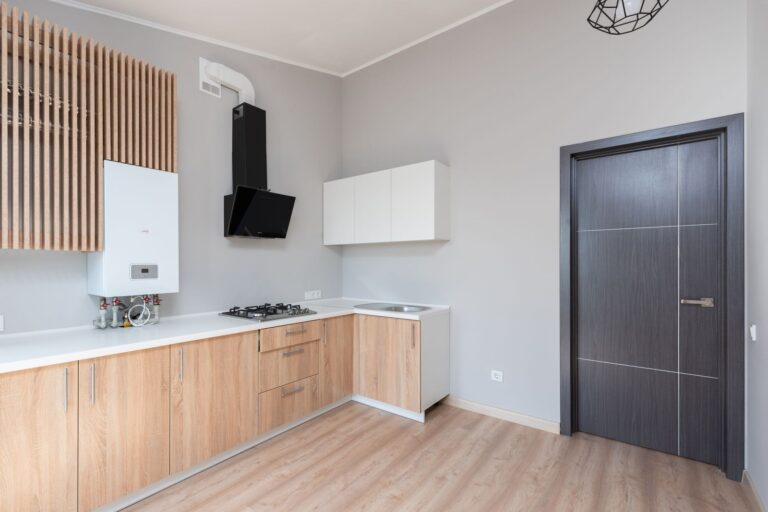
A loud bang when you turn a tap off — or when an appliance stops filling — is usually water hammer. Fast-moving water stops suddenly, and the shock wave shakes the pipe. The fix is usually simple: close taps more slowly, clip a loose pipe, or refill the air chambers. If the bang comes with damp, a stain, or a meter that moves with everything off, treat it as a leak first and stop using water.
Find your situation first
- One loud bang when a tap stops: go to what is water hammer?
- Rattling while water is running: go to what is causing the noise?
- Ticking when the heating warms up: go to what is causing the noise?
- Chattering near the stopcock: go to what is causing the noise?
- Humming from the loft: go to what is causing the noise?
- Safe checks: go to safe checks, in order.
- Costs: go to what does it cost?
What is water hammer?
Water hammer is a pressure shock. Water in a pipe has weight and speed, and when a tap or valve shuts in a fraction of a second, that water has nowhere to go: it slams to a stop and sends a shock wave back along the pipe. The pipe jumps, and you hear a bang.
Quarter-turn lever taps shut very fast, so they are the usual trigger. Washing machines and dishwashers are the other common trigger: their inlet valves snap shut the moment they have enough water. A slow screw-down tap rarely causes the same bang. One bang now and then is common, but repeated hammering is worth fixing: every shock loosens joints a little, and over time that can cause a leak behind a wall or under a floor.
What is causing the noise?
Not every pipe noise is water hammer. Find your noise in the table first: the fix is different for each one.
| Cause | What you will notice | Safe to check yourself, or engineer job |
|---|---|---|
| Water hammer (valve shuts too fast) | One loud bang the moment a tap or appliance stops | Safe to check: close taps more slowly, refill air chambers |
| Loose pipes or missing clips | Rattling while water runs, louder upstairs | Safe to check: accessible clips only; hidden pipes are an engineer job |
| High mains pressure | Banging at several taps, spitting taps, a hissing toilet valve | Engineer job: pressure check, pressure-reducing valve if needed |
| Air trapped, or waterlogged air chambers | A bang that started after work on the supply, or crept in over time | Safe to check: drain and refill the system slowly |
| Worn stopcock washer (loose jumper) | Chattering from the stopcock | Engineer job: stopcock work; never force a seized stopcock |
| Faulty ball valve in a loft cold-water tank | Humming from the loft, or a dripping overflow pipe | Engineer job: do not adjust the valve yourself |
| Thermal expansion (heating pipes) | Ticking as the heating warms up | Safe to check: bleed the radiators; engineer job if it keeps happening |
WaterSafe’s guide to banging pipes lists the same main causes — faulty ball valves, unclipped pipes, air at the stop tap, and loose washers — and advises calling a qualified plumber if the noise keeps happening.
Ticking from heating pipes is usually expansion, not water hammer: the pipe grows as it warms and ticks where it rubs a joist. If bleeding the radiators does not settle it, our central heating service in Bradford covers heating-pipe noise and balancing.
Safe checks, in order
Work through these in order. Stop at any step where you find water, damp or a smell of gas. If you smell gas, leave the property and call the National Gas Emergency Service on 0800 111 999. Never open the boiler casing. Gas work is for a Gas Safe registered engineer only.
- Work out which tap or appliance triggers the bang. Turn each tap off one at a time, and run the washing machine and dishwasher separately. If only one tap or appliance causes it, the problem is at that valve. If every tap causes it, the cause is further back — pressure, air, or the stopcock.
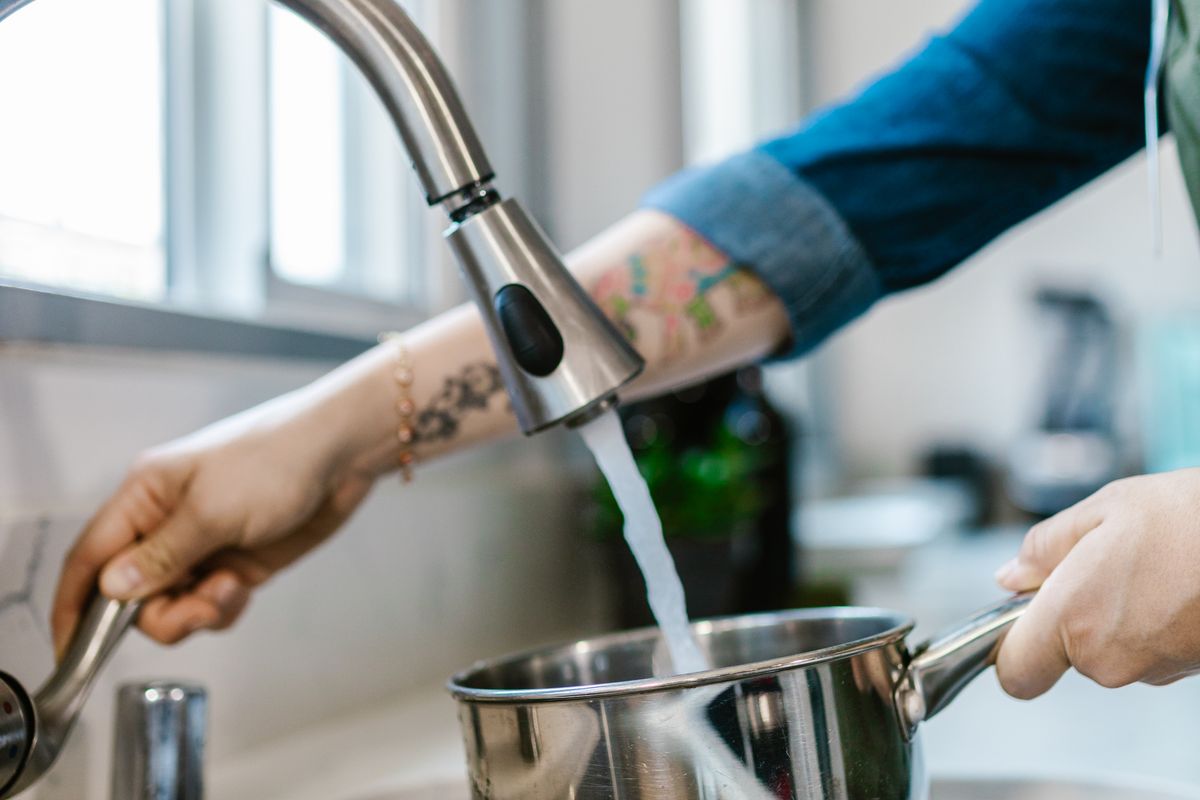
- Close quarter-turn taps more slowly. A lever tap shuts in a fraction of a second, so close it over a second or two instead: the water slows down gently, and the bang often stops.
- Check the pipe clips you can see. Look under the kitchen sink, in the airing cupboard, and in the cellar if you have one. A pipe should sit snug in its clip, not moving when you touch it. Where a pipe touches a joist, a strip of felt or rubber stops the knock. Only check pipes you can reach; never lift floorboards or chase a pipe inside a wall yourself.
- Listen at the stopcock. Turn it gently and listen for chattering or vibration. A worn washer inside, called a loose jumper, can make the whole pipe shudder. If the handle is stiff or seized, leave it alone: forcing it can snap it, and then you have no way to turn the water off.
- Refill waterlogged air chambers. Older pipework has short capped lengths of pipe, called air chambers, that cushion the shock — until the air in them dissolves. To refill them, turn the water off at the stopcock — our guide to how to turn off your water shows where to find it — then open every tap, lowest first, and let the pipes drain. Close the taps, then turn the stopcock back on slowly. Only do this on the cold-water supply pipes. Never drain the sealed heating circuit of a combi boiler yourself: a loss of pressure there is a heating-engineer job.
- Check the loft cold-water tank, by looking and listening only. If the tank hums or its overflow pipe drips outside, the ball valve inside is probably faulty. Do not bend the float arm or adjust the valve yourself: a wrong move can flood the loft.
- Bleed the radiators if the noise is in the heating. If the noise comes when the heating is on, air in a radiator can be part of it. Bleed each radiator with a bleed key and a towel, lowest first, then check the boiler pressure. If it keeps dropping, stop and call a heating engineer.
- Check the washing machine and dishwasher hoses. Make sure the hoses are not kinked and the valves are fully open. If the bang comes only from one appliance, its fast-closing valve is the trigger: the fix is usually a slow-closing valve or a small water hammer arrestor at that appliance — an engineer job.
If the bang comes with any sign of water — damp, a growing stain, or a meter that moves with every tap off — treat it as a leak first. Turn the water off at the stopcock, stop using water, and call the same day.
When to stop and call
Call an engineer if any of these apply:
- The bang comes with damp, a stain, or a meter that moves with everything off.
- The bang happens at every tap, or is getting louder.
- Your water is discoloured, or the pressure has dropped suddenly.
- The stopcock is seized, chattering, or will not turn the water off fully.
- The loft tank is overflowing.
- The noise started after work on the supply and the checks above have not fixed it.
- You cannot find what triggers the bang.
For a visit, book general plumbing services in Bradford and say which tap or appliance triggers the bang and whether you have found any damp. You can also call Plumber Bradford Pros on 01274 041977.
What does it cost?
Every figure below is a UK guide average from Checkatrade’s plumber cost guide, last updated in October 2026 — not this business’s prices.
| Job | UK guide average range | Average |
|---|---|---|
| Standard call-out fee | — | £110 |
| Plumber hourly rate | £40 to £60 | £50 |
| Plumber day rate | £320 to £480 | £400 |
| Emergency call-out fee | £100 to £120 | £110 |
| Emergency plumber, per hour | £75 to £150 | £100 |
| Fix a leaking pipe or joint | £77 to £128 | £100 |
| Repair a burst water pipe | £50 to £200 | £150 |
The leak and burst-pipe rows come from the same guide’s list of common plumbing jobs. Checkatrade gives no figure for fitting a water hammer arrestor or a pressure-reducing valve, so ask for a fixed quote that includes the parts. The full breakdown is in Checkatrade’s plumber cost guide — and always check whether the call-out fee is included in the quote before the work starts.
Why this matters more in Bradford terraces
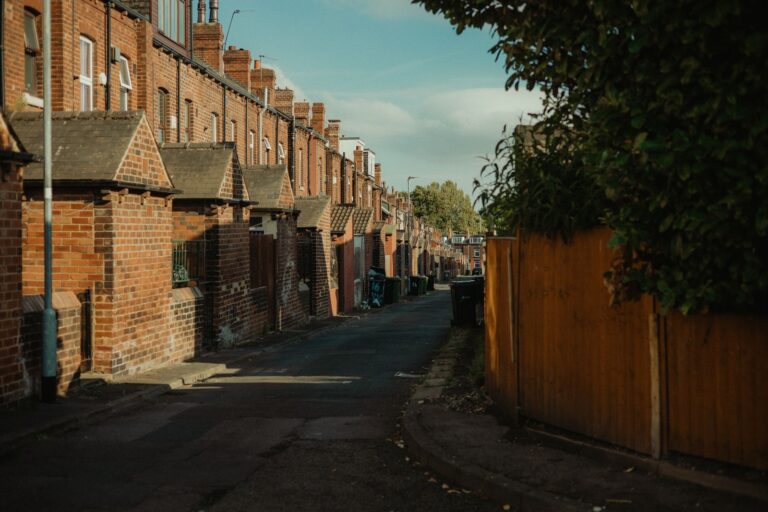
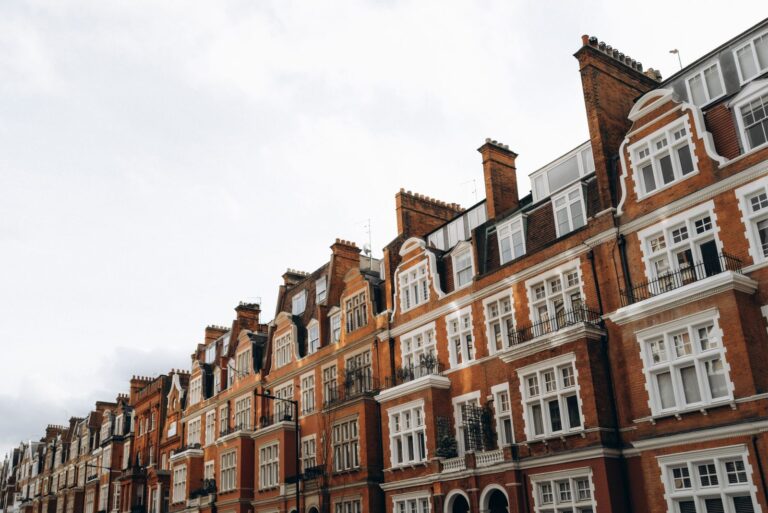
Much of Bradford is Victorian and Edwardian terraces and back-to-backs, whose pipework makes water hammer louder and more common. Timber floors act like a drum: a pipe jumping under the floor sounds far louder upstairs than under concrete, and long, straight pipe runs carry the bang further through the house.
Many homes still have their original layout: a stopcock under the kitchen sink or by the front door, a cold-water tank in the loft, and pipes running exposed along cellar walls. The cellar pipes are the easiest to check: a missing clip there is often the whole problem. The loft tank is the other weak point: an old ball valve that hums or overfills the tank can sound like a bang in the pipes below. Older stopcocks are common too, and their washers wear out — a chattering stopcock will only get worse. Homes built before 1970 may still have a lead supply pipe: if you think yours does, ask Yorkshire Water for advice before any work on it, and never cut into it yourself.
If you rent, tell your landlord or letting agent first: in most tenancies the landlord is responsible for keeping the pipework in repair.
Prevention: keep the pipes quiet
- Close lever and mixer taps gently. A slow close is the simplest habit that stops water hammer.
- Check the clips you can see once a year. A loose clip, or a pipe resting bare on a joist, is a quick fix with a strip of felt.
- Fit slow-closing valves or an arrestor when an appliance is replaced. If a new washing machine or dishwasher is going in, ask the engineer about one at the same time.
- Get the pressure checked if banging starts at several taps at once. A sudden change across the whole house points to the supply, not one tap.
Frequently asked questions
Why do my pipes bang when I turn off a tap? That bang is usually water hammer: the water was moving fast, the tap shut in a fraction of a second, and the shock wave shook the pipe. Lever taps shut fastest, so they cause it most — closing the tap more slowly often stops it.
Is water hammer dangerous? One bang now and then is common and not an emergency. Repeated hammering is worth fixing: every shock loosens joints a little, and over time that can cause a leak behind a wall or under a floor. If the bang comes with damp, a stain, or a meter that moves with everything off, treat it as a leak and call the same day.
Can I fix water hammer myself? Yes: close taps more slowly, check the clips you can reach, and refill waterlogged air chambers by draining the cold-water pipes and refilling them slowly. Fitting an arrestor or a pressure-reducing valve, working on the stopcock, or opening the boiler is an engineer job.
Why do my pipes bang at night? Mains pressure is often higher at night, when fewer homes are using water, and washing machines and dishwashers tend to run overnight, their valves snapping shut. If the banging is new and at every tap, get the pressure checked.
How much does it cost to fix noisy pipes in the UK? As a UK guide average from Checkatrade (last updated October 2026), a plumber costs around £50 an hour (£40 to £60), or £400 a day (£320 to £480), with a standard call-out fee of around £110. An emergency call-out averages £110, with emergency work around £100 an hour. Checkatrade gives no figure for an arrestor or a pressure-reducing valve — ask for a fixed quote.
My pipes bang only when the heating is on. Is that water hammer? Usually not. Ticking as the heating warms up or cools down is normally thermal expansion: the pipe grows as it warms and shrinks as it cools, ticking where it rubs a joist. Bleed the radiators first; if the noise keeps happening, call a heating engineer.
Plumber Bradford Pros, 164 Dyson Street, Bradford BD9 4DE. Call 01274 041977 if your pipes bang when a tap shuts off and the checks above have not settled it.