Quick answer: If a pipe bursts, turn the water off at the stopcock first — clockwise, until the flow stops. Then switch off the boiler and heating, open the taps to drain what is left in the pipes, and keep electricity away from the water: if water has reached sockets, lights or the consumer unit, switch off at the consumer unit and do not touch anything electrical with wet hands. Contain what is still coming out with buckets and towels. Everything else comes after those first ten minutes.
A burst pipe can release hundreds of litres of water in an hour. What you do in the first ten minutes decides whether you are drying out one room or replacing floors and ceilings. Work through the steps in order.
Which of these is happening in your home?
- Water is pouring or spraying out now — go straight to the steps below, starting at step 1.
- The flow has stopped but the ceiling below is bulging or dripping — go to “Contain the water and limit the damage”. Do not stand under a bulging ceiling.
- The burst is on the pipe coming into the house, or you cannot find the stopcock — go to “When to stop and call an emergency plumber”.
- A pipe froze overnight and has only just started leaking as it thaws — the same steps apply. Water off first, then read “Why pipes burst” at the end.
The first 10 minutes, step by step
- Turn the water off at the stopcock. The single most important step. Turn it clockwise until it stops, then check a tap: the flow should slow to a trickle and stop. If the stopcock will not turn, do not force it — go to step 6 and make the call.
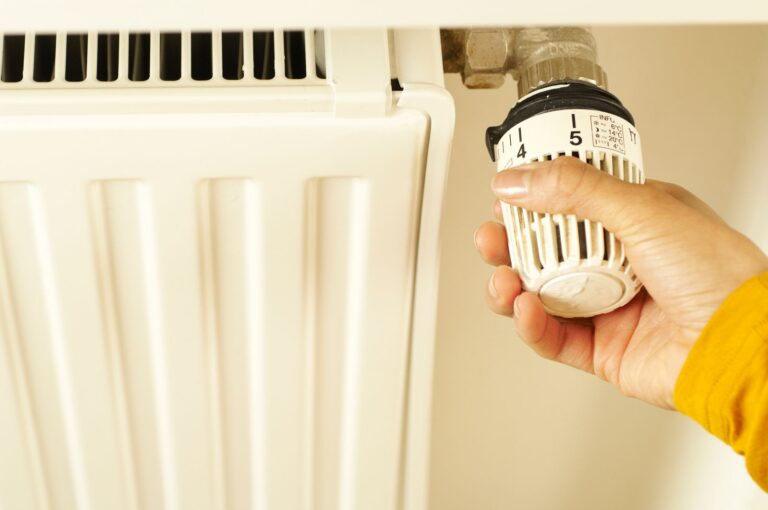
- Switch off the boiler and central heating. A heating system with no water in it can be damaged if it keeps firing. Turn the boiler off at its controls or the wall switch, as WaterSafe’s burst pipe guidance advises, and leave it off until the system is repaired and refilled.
- Open the taps to drain the system. Open the cold taps first, then the hot taps, and flush the toilets to empty the cisterns. The water still in the pipes then comes out of a tap instead of through the split. Keep a bucket of it for flushing later.
- Deal with the electrics — carefully. If water has reached sockets, light fittings, appliances or the consumer unit, switch the power off at the consumer unit. Never touch a switch or plug with wet hands or while standing in water. If you cannot reach the consumer unit without going through the water, do not try — keep everyone out of the wet area and call for help.
- Contain what is left. Buckets under the split, towels around the pipe and across doorways. Move furniture and valuables out of the wet area. If water is coming through a ceiling, put a bucket under the drip below.
- Take photos, then make the call. Photograph the burst and the damage before you mop up — insurers usually ask for them. Then use the list further down to decide: emergency call now, or a repair that can wait for standard hours.
Where is your stopcock? Finding it in a Bradford home
In most homes the internal stopcock is under the kitchen sink. In Bradford’s older terraces and back-to-backs it is just as often in the cellar, in a downstairs toilet or hallway cupboard, or low on the front wall where the supply pipe enters from the street. It usually looks like a small brass tap — a wheel handle, or a lever on newer fittings.
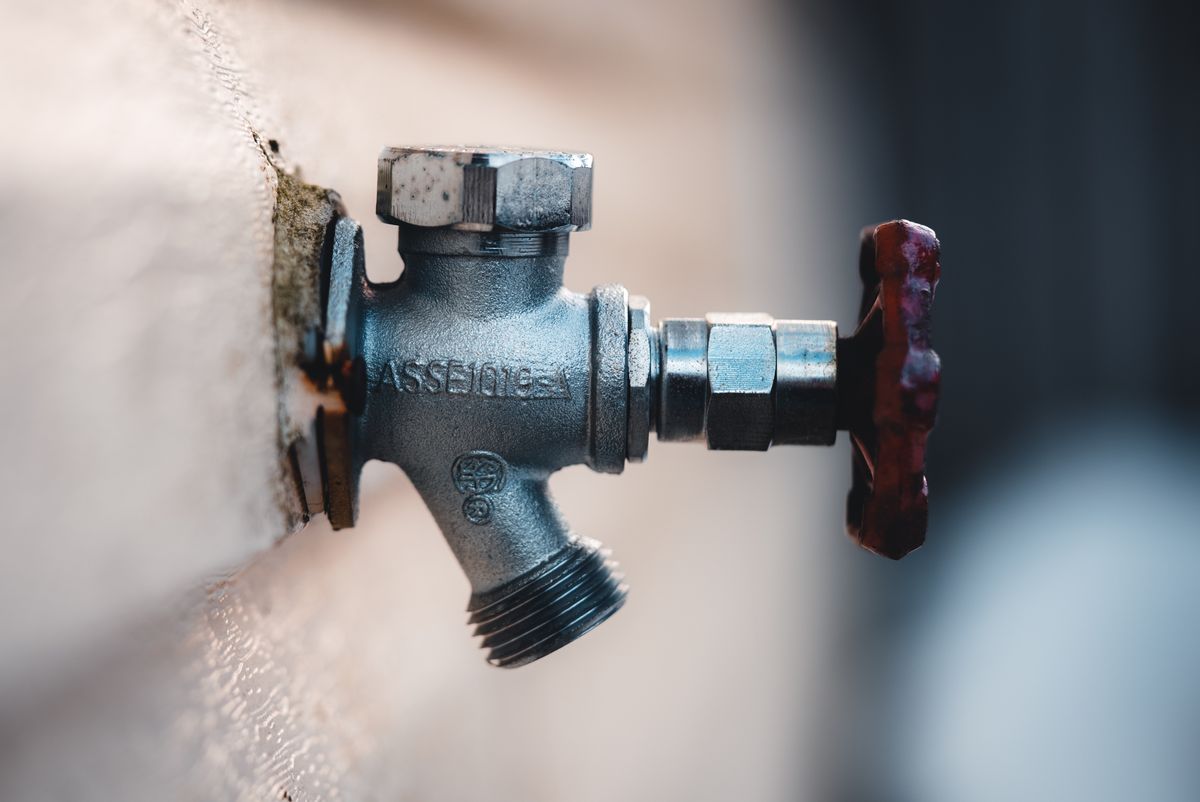
Two things catch people out in older Bradford homes. The first is a seized stopcock: a valve that has not moved in years can be completely stuck, which is why it is worth finding yours today and checking it turns — twice a year is the usual advice. A stopcock that will not turn is a small, cheap job when it is not an emergency. The second is the outside stop tap in the pavement or front garden: that one is harder to reach, so the internal stopcock is the one to use first.
If the burst is on the supply pipe itself — the pipe running from the street into your home — that section is usually the homeowner’s responsibility, not the water company’s. Yorkshire Water’s leak pages set out who is responsible for which pipe. A burst there is exactly the job covered by our water line repairs in Bradford service, because the pipe often needs digging out or a section replacing.
Contain the water and limit the damage
Once the water is off, the job is damage limitation. Water does the expensive harm in the first hour: soaking plaster, lifting laminate and finding its way down through ceilings.
- Ceilings: a bulging ceiling means water is pooled on top of it. Keep people — especially children — out of the room below, and put buckets under drips. Do not stand underneath it or poke it: a full ceiling can come down, and it will be heavy.
- Floors: lift rugs and anything sitting in water. Towels against skirting boards slow the spread. Mop, wring, and keep going — standing water keeps soaking in while it sits there.
- Belongings: get electrics, documents and anything irreplaceable up and out first, and photograph everything before you clean.
- Drying: once the leak is stopped, open windows and doors to get air moving. Do not turn the heating up to “bake” the room dry — the boiler stays off until the system is refilled.
What NOT to do when a pipe bursts
- Do not leave it because the flow looks small. A split pipe under pressure does not heal. A drip now can be a flood by morning.
- Do not touch electrics with wet hands, and do not use soaked appliances until they have dried fully and been checked.
- Do not use a naked flame on a frozen pipe — no blowtorches, ever. Warm towels or a hot water bottle, gently, and only after the water is off.
- Do not open the boiler casing or touch anything on a gas pipe. That is Gas Safe engineer work.
- Do not turn the water back on “just to check” before the repair. You will simply flood the same split again.
- Do not treat tape as a repair. A temporary hold is measured in hours. Book the proper fix the same day.
Temporary fixes — and their limits
If the split is on a straight, easy-to-reach pipe and the water is fully off and drained, a temporary hold can slow the leak until a plumber arrives. The two common options are a pipe repair clamp, which bolts over the split, and self-fusing silicone tape wound tightly around a clean, dry pipe.
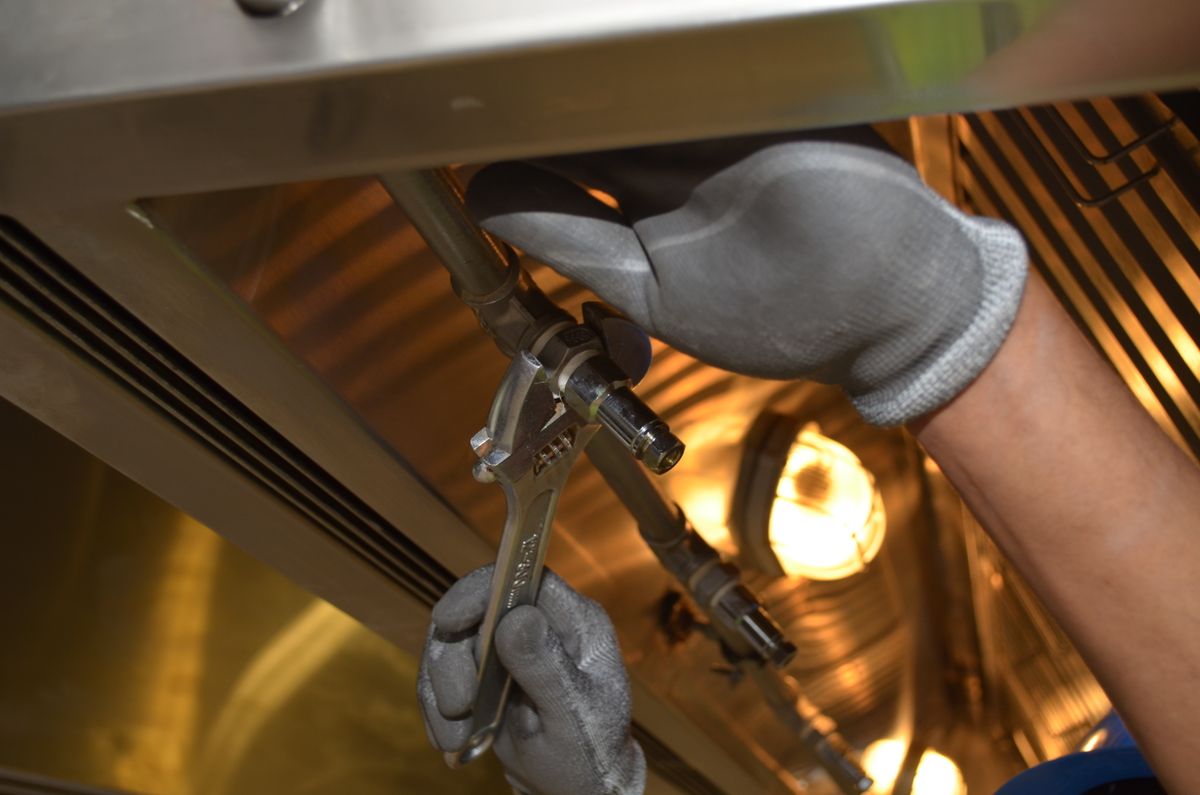
Be clear about what these are: a holding measure, not a repair. They work best on small splits in straight pipe. They are unreliable on joints, elbows and corroded pipe, and can let go without warning. Never attempt a temporary fix on a gas pipe, and do not solder or cut into a pipe yourself unless you are genuinely competent — a bad joint under mains pressure makes the next flood worse than the first.
When to stop and call an emergency plumber
Call straight away, at any hour, if any of these are true:
- You cannot find the stopcock, or it will not turn, and water is still flowing.
- Water is still coming out after the stopcock is off and the system is drained.
- The burst is near electrics, or the power has tripped.
- The ceiling below is bulging — that is pooled water waiting to come through.
- The burst involves the heating system and the house has no heat in cold weather, especially with young children, elderly people or anyone unwell at home.
- The burst is on the supply pipe coming into the house.
If you are in Bradford and any of that sounds like your situation, call an emergency plumber in Bradford rather than watch and wait. When you call, say where the water is coming from, whether the stopcock is off, and whether electrics are affected — those three facts tell a plumber most of what they need before they set off.
If the flow is fully stopped, the area is safe and drying, and no electrics are affected, the repair can usually wait until standard hours — which normally costs less than an out-of-hours call-out.
What will it cost to fix a burst pipe?
The pipe repair is usually the smaller bill. The water damage is the bigger one — the Association of British Insurers puts the average weather-related burst pipe claim at around £9,300, which is why the first ten minutes matter. For the plumbing work itself, UK guide averages are:
| Situation | UK guide average |
|---|---|
| Emergency call-out fee (out of hours) | Typically £100–£120, before the repair itself |
| Standard-hours plumber | Around £40–£60 per hour |
| The repair itself | Quoted once the plumber can see the pipe — it depends on access and how much has split |
These are UK guide averages, not this business’s prices — drawn from Checkatrade’s call-out charge guide and its plumber cost guides. Two ways to keep the cost down: turn the water off fast, and, if it is safe, let a contained burst wait for the morning.
Why pipes burst — and how to stop it happening again
Most winter bursts follow the same pattern. Water freezes inside an unlagged pipe, expands as it turns to ice, and splits the pipe wall. The leak often only appears when the ice thaws and full pressure returns.
- Lag exposed pipes in lofts, cellars, garages and outbuildings, with no gaps at bends and valves.
- Keep a low level of heating on during cold snaps if the house is empty, rather than letting it go fully cold.
- Find and test your stopcock twice a year so it turns freely when you need it.
- Fix the small stuff early. A weeping joint is a warning — and a cheap fix compared with the burst it can become.
- If you go away in winter, turn the water off at the stopcock and drain the system down before you leave.
FAQs
Where is my stopcock?
In most homes, under the kitchen sink. In older Bradford terraces and back-to-backs, also check the cellar, a downstairs cupboard or toilet, and low on the front wall where the water main enters. Test it twice a year so it is not seized when you need it.
Should I turn my electricity off if a pipe bursts?
Yes, if water has reached sockets, light fittings, appliances or the consumer unit. Switch off at the consumer unit, and never touch switches with wet hands or while standing in water. If you cannot reach it without going through the water, stay out of the area and call for help.
Should I turn the boiler off when a pipe bursts?
Yes. Switch the boiler and heating off, and leave them off until the system has been repaired and refilled — a boiler firing with too little water in it can be damaged.
Can a burst pipe wait until morning?
Only if the water is fully off at the stopcock, the system is drained, the area is safe and drying, and no electrics are affected. If water is still flowing, the stopcock will not turn, or a ceiling is bulging, call straight away, whatever the hour.
Is a repair clamp or tape a proper fix?
No. A clamp or self-fusing tape on a straight, accessible pipe is a holding measure that buys you hours. It can let go without warning. Book the permanent fix the same day, and never use a temporary fix on a gas pipe.
Who is responsible for the pipe from the street to my house?
The supply pipe on your property is usually your responsibility as the homeowner. The water main in the street belongs to the water company — in Bradford, Yorkshire Water.
Will my home insurance cover a burst pipe?
Usually the repair to the pipe itself is your cost, while water damage to the building and contents is commonly covered, depending on your policy. Photograph the damage before you clean up, and tell your insurer as soon as you can.
Reading this with water on the floor? Stop reading, turn the stopcock off, and come back once the flow has stopped. If you need help now, Plumber Bradford Pros is based at 164 Dyson Street, Bradford BD9 4DE — call us on 01274 041977.