Quick answer: A CCTV drain survey is a camera inspection of the inside of your underground drains. It finds the exact cause and location of a drain problem without digging. A basic survey costs £85–£235 as a UK guide average, and a full survey with a written report and footage costs £200–£350 (Checkatrade, October 2026). Book one when the same drain keeps blocking, when several fixtures are slow or smelly at once, or before you buy an older property.
Most drain problems are invisible. A blockage that keeps coming back can be cleared three times without anyone ever seeing why it returns. A camera changes that.
Which sign is yours?
- The same drain blocks again soon after it was cleared — the strongest sign. Go to sign 1.
- Several fixtures are slow or gurgling at the same time — the problem is in a shared pipe, not one fitting. Go to sign 2.
- A drain smell that will not go away after cleaning — trapped waste or a cracked pipe may be the cause. Go to sign 3.
- Wet ground, a dip, or a soggy patch near a drain run — water may be escaping from a broken pipe. Go to sign 4.
- You are buying an older property, or planning an extension — you need the drains’ condition and route before you commit. Go to sign 5.
What a CCTV drain survey actually is
A drainage technician feeds a small waterproof camera on a flexible rod into your drains through a manhole or chamber. The camera sends live pictures to a screen above ground, and every defect is recorded with its distance along the pipe.
Nothing is dug up for the survey itself: the camera shows what is wrong and exactly where it is, so a repair can target one spot. A survey is not a drain clearance. Clearing removes a blockage; a survey finds why it happened, and whether the pipe itself is damaged. A pipe is sometimes jetted clear first so the camera can pass — ask whether jetting is included in your quote, because it often is not.
What the camera can find
| What the camera shows | What it usually means | What happens next |
|---|---|---|
| Fat, grease or wipe build-up | Pipe narrowing, but may still be sound | Jetting or cleaning |
| Tree roots through a joint | Roots found a crack or open joint | Root cutting, then a joint repair or liner |
| A displaced joint | Pipe lengths moved apart, catching waste | Patch repair or relining |
| A crack in the pipe | Age, ground movement or a heavy load | Patch, liner, or a replacement section |
| A collapsed section | Pipe lost its shape; water cannot pass | Excavation and replacement |
| Standing water in a section | Pipe sagged, so water pools | Further investigation; a sag often needs repair |
The 5 signs you need a CCTV drain survey
1. The same drain keeps blocking. One blockage can be bad luck. A second blockage on the same run, within months of the first clearance, is a pattern, and patterns have causes. A camera finds the cause — a root, a displaced joint, a crack, or a sag. Clearing the same drain again without looking inside is paying for the same job twice.
2. Several fixtures are slow, gurgling or backing up together. One slow sink is usually local. When bath, toilet and kitchen sink are all slow at once, the problem is further down, in a pipe they share. WaterSafe’s guide to blocked outside drains makes the same distinction: one fixture points inside, several point outside.
3. A drain smell that survives cleaning. Smells from one trap can often be fixed by cleaning or refilling it. A smell that returns from the same gully or chamber after cleaning points to something structural — trapped waste behind a defect, or a cracked pipe letting drain gas escape.
4. Wet ground, a dip, or a soggy patch near a drain run. Water escaping from a broken drain washes soil away underground. On the surface that shows as ground that stays wet in dry weather, a dip in a drive or path, or faster-growing grass. Do not dig to investigate it, and never climb into a manhole or chamber. Note exactly where it is, and let the survey find the break from inside the pipe.
5. You are buying an older property, or planning building work. A standard home survey does not look inside the drains. On an older property, cracked clay pipes, root damage and displaced joints can sit unnoticed until they become a costly repair after you move in. A survey before exchange gives you evidence to negotiate on price, or to ask the seller to fix the fault. Before an extension, you need a map of the drains, so you do not build over a pipe you will later need to reach.
What happens on the visit, step by step
1. Access is found. The technician locates the manholes or chambers that give entry. If a chamber is buried, paved over or seized shut, that can add time and cost — mention it when you book.
2. The pipe is cleared enough for the camera, if needed. Heavy silt, fat or a solid blockage stops a camera, so the pipe may be jetted first. If the blockage is too severe, the survey may need a second visit.
3. The camera is fed through the pipe. Distances are measured from the access point, so each defect has a location — for example, a root ingress 12 metres from the chamber — not just a general description.
4. The findings are explained on the spot. A good technician shows you the key footage and says what is routine, what needs attention soon, and what can wait. If you are only told “it looks fine” with no footage and no distances, you have not had a survey you can use.
5. The report and footage follow. For a full survey, a written report with still images, the video footage and, where included, a drain map arrives after the visit. Keep it — your insurer, solicitor or builder may ask for it.
Most surveys take a few hours. A larger property can take up to six hours.
Basic survey or full survey: which one do you need?
| Basic survey | Full survey with report | |
|---|---|---|
| What you get | Camera inspection and a verbal explanation | Inspection, plus a written report, still images, footage, and usually a drain map |
| Best for | A known problem you want checked quickly | Buying, building work, an insurance claim, or a fault you may need to prove later |
| UK guide-average cost | £85–£235, average about £160 | £200–£350, average about £275 |
All prices here are UK guide averages from Checkatrade, October 2026 — not this business’s prices.
What a good report must contain
- The address, date, and which runs were surveyed — and which were not, if any could not be reached.
- Each defect with its distance from the access point, so a repair crew can find the same spot without trial-and-error digging.
- Still images or video references for each significant defect, and a clear recommendation: clean only, patch or liner, excavation, or further investigation.
- Where the private drain ends and the public sewer begins, where known — because that decides who pays.
A report with no distances, images or recommendations is not evidence, and will not help with a purchase, a claim or a builder’s quote.
How much does a CCTV drain survey cost?
| Survey type | UK guide-average range | Average |
|---|---|---|
| Basic CCTV drain survey | £85–£235 | About £160 |
| Full CCTV drain survey with report | £200–£350 | About £275 |
| Large property survey | £350–£450 | About £400 |
| Excavation to reach the drains, if needed | £100–£300 | About £200 |
These are UK guide averages from Checkatrade’s CCTV drain survey cost guide, last updated October 2026. The overall range is £85–£450. Ask whether your quote includes VAT, chamber lifting, jetting, and the digital report — a low headline price that leaves those out is not a low price.
When a survey is not the answer
- One drain blocked once and cleared easily, and nothing else is affected.
- The problem is clearly in one trap or fitting, rather than in the underground pipe.
- The pipe is still fully blocked. A camera cannot see through a solid blockage or heavy silt — jetting comes first, and a second visit may be needed.
- The pipe has collapsed completely. A camera cannot pass a collapse, so the survey only confirms that the section needs replacing.
A survey also has limits. It shows the inside of the pipe, not the ground around it, and it cannot see through standing water, heavy deposits or bends beyond the camera’s reach, or inspect a run with no access point. A good technician will tell you which runs could not be surveyed.
Who pays for the drain — and for the survey?
As a general rule, you are responsible for repairs to drains serving only your own home, up to where they connect with a public sewer. Where a drain leaves your boundary, or serves more than one home, it is usually Yorkshire Water’s responsibility. Yorkshire Water’s own pipework responsibility guide sets out that boundary, and shared drains are usually theirs even inside a boundary.
If the fault is in a public sewer, the repair is not yours to pay for — but the survey may still be, so ask what it covers. If you rent, the landlord is normally responsible; tell your landlord first. If you are buying, the buyer usually pays, before exchange.
CCTV drain surveys in Bradford: what is different here
Bradford has many older terraces and back-to-back houses with clay pipes laid decades ago. Clay joints are the classic entry point for tree roots, and a root that finds one joint will keep growing back until the joint itself is repaired. If the same drain blocks every few months, a survey is usually the step that ends the cycle.
Shared drains are common in terraces. A blockage affecting two or three houses may sit in a shared section, which changes who pays. A survey that maps the run saves an argument later. Mention a large tree near your drain run when you book — roots exploit joints that are already open.
How to stop the next problem
- Do not put fat, oil or grease down the sink. It cools, hardens and narrows the pipe.
- Only flush toilet paper and human waste. Wipes, even those labelled flushable, catch on joints and roots.
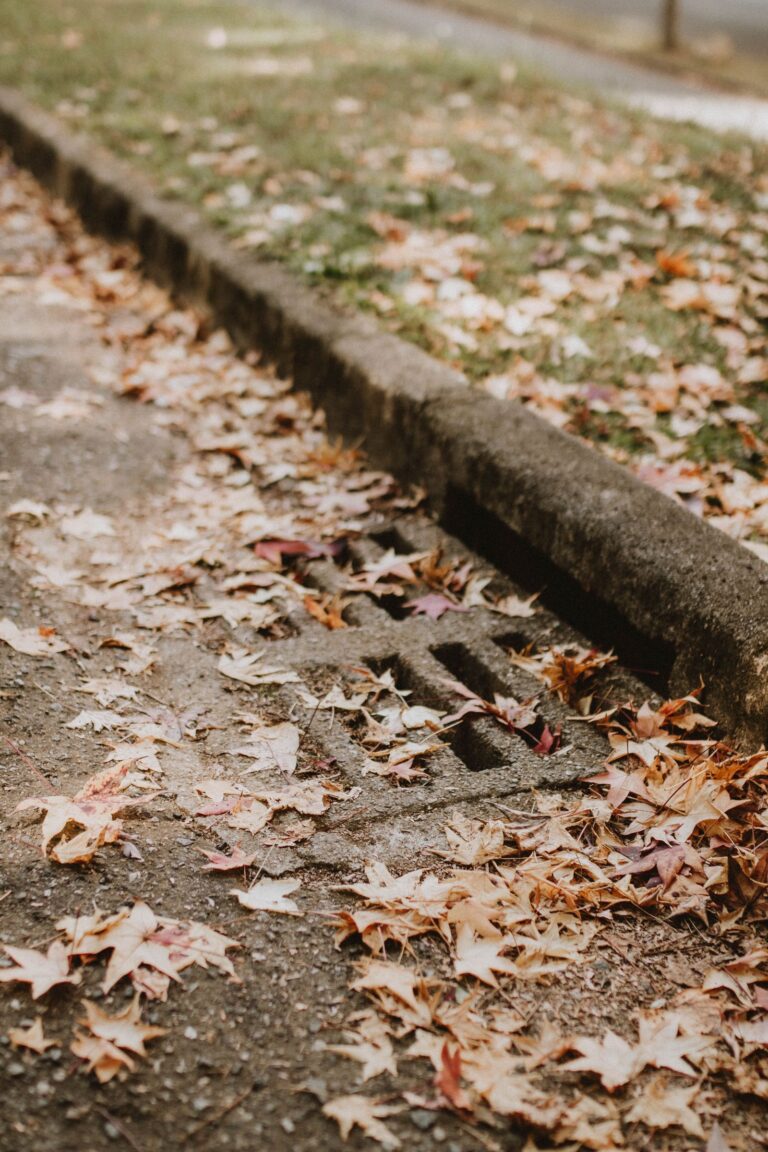
- Clear leaves and debris from outside drain grates before they wash into the pipe.
- For a one-off blockage, read our blocked drain guide first — a survey is for the problem that keeps coming back, not the first blockage.
When to stop and call
Stop and call a drainage engineer if the same drain has blocked more than once, if several fixtures are slow or backing up together, if sewage is coming back into your home, if ground is sinking or staying wet near a drain run, or if you are buying or building and need a report you can rely on.
For a camera inspection and a report you can act on, contact our drainage services in Bradford team on 01274 041977. If the survey finds a broken or collapsed pipe, that repair sits with our sewer line repair in Bradford service. Never climb into a manhole or chamber yourself, and never lift a heavy or seized cover alone. Gas work is for a Gas Safe registered engineer only, never open a boiler casing, and if you smell gas, leave the property and call 0800 111 999.
Frequently asked questions
How much does a CCTV drain survey cost in the UK?
A basic survey costs £85–£235 as a UK guide average, and a full survey with a report costs £200–£350 (Checkatrade, October 2026). Larger properties cost £350–£450.
How long does a CCTV drain survey take?
Most surveys on an average home take a few hours, around half a day. A larger property can take up to six hours.
Do I need a CCTV drain survey for a single blocked drain?
Usually not. One blockage that clears easily does not need a camera. A survey is for repeat blockages, several fixtures affected together, or a fault you need evidence for.
What does a full CCTV drain survey report include?
A written condition report, still images, video footage, and usually a drain map, with each defect’s distance from the access point and a clear recommendation.
Will a CCTV drain survey find tree roots?
Yes. Roots through a joint or crack show clearly, with the entry point located. Root cutting alone will not stop them returning — the joint or crack needs repairing.
Who pays for a CCTV drain survey when buying a house?
The buyer usually arranges and pays for it. Get it done before exchange, so any fault can be negotiated on price or fixed by the seller.
Still unsure whether your drain problem needs a camera or just a clearance? Call Plumber Bradford Pros on 01274 041977 — we cover Bradford and the surrounding areas from 164 Dyson Street, Bradford BD9 4DE.