A collapsed drain is a section of underground pipe that has cracked, caved in, or broken apart, so waste water can no longer flow through it. The giveaways are blockages that keep coming back, a sewage smell that will not go, slow drains across the house, and a dip or soft patch in the driveway or garden. Only a CCTV drain survey can confirm it. As a UK guide average, a survey costs around £275, a repair around £100 per metre, and a replacement around £535 per metre (Checkatrade, October 2026).
Find your sign first
- Blockages that keep coming back: the pipe itself is catching waste. Read the causes table.
- A sewage smell that will not go: waste is escaping from a cracked pipe. Read the causes table.
- Slow drains in several rooms at once: the fault is in the main drain outside. Read the safe checks.
- A dip, soft patch, or sunken paving in the drive or garden: soil is washing into a broken pipe. Read when to stop and call.
- Sewage backing up, or a sinkhole forming: stop using water now.
- Damp or mould low on a wall, or rats appearing: a broken drain may be letting water and pests in. Read the causes table.
What is a collapsed drain?
A drain is a pipe that carries waste water away from your home. In a collapsed drain the pipe wall has failed: it has cracked, deformed, or caved in, so the inside is no longer clear. Waste catches on the broken edges, water pools, and soil washes in through the cracks.
A collapse builds over months or years: a joint shifts, the pipe cracks, a section drops, and soil washes in until the pipe fails. Catching it at the crack stage, with a CCTV survey, is almost always the cheapest outcome.
What causes a drain to collapse?
| Cause | What you will notice | Safe to check yourself, or engineer job |
|---|---|---|
| Tree roots growing into the pipe | Repeat blockages in the same spot, often near a large tree | Note the trees near the drain run. Cutting roots and repair is an engineer job |
| Old clay pipes breaking down | Slow drains and repeat blockages in an older home | Safe checks below, then a CCTV survey and an engineer |
| Ground movement or subsidence | A dip in the drive or garden, sunken paving, or new cracks in a wall | Photograph the dip. Diagnosis and repair are engineer jobs |
| Heavy weight over a shallow drain | A dip under a driveway or parking area | Note what crosses the drain. Repair is an engineer job |
| Freezing weather | A drain that fails after a cold snap, often a shallow run | Safe checks below, then an engineer |
| Poor joints or bad installation | Problems in a newer home, or after building work near the drain | Safe checks below, then a CCTV survey and an engineer |
| A long-standing blockage washing soil away | Water leaking from the pipe softens the soil, so the ground sinks | Note wet or lush patches over the drain line. Repair is an engineer job |
Safe checks you can do yourself
Work through these in order. They need no tools and no drain opened.
- Work out which fixtures are affected. One slow sink usually means a local blockage. Several fixtures slow at once means the fault is in the main drain outside.
- Check whether your neighbours have the same problem. If more than one home is affected, the fault is likely in a shared drain or the public sewer. That changes who pays: call Yorkshire Water before you pay for a survey.
- Look at the ground over the drain run. Walk the line from your house to the street and look for a dip, a soft patch, sunken paving, or greener grass. Photograph it and note the date.
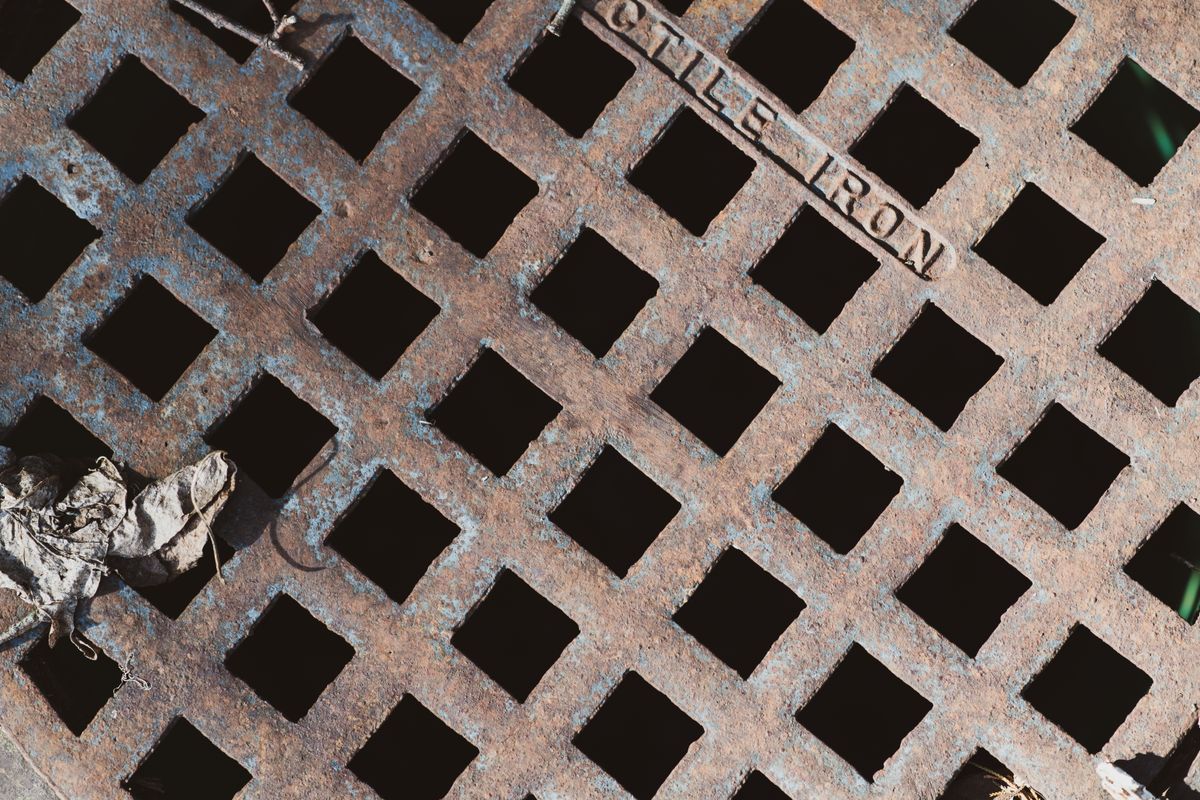
- Check the inspection chamber, only if the cover is light and lifts easily. Look for standing water or waste that is not moving. If the water level is high and not dropping, stop using water.
- Smell the air near the chamber and in the garden. A sewage smell outdoors, even after the drains have been cleared, points at a cracked pipe.
- Note how often the drain blocks. A blockage that returns within weeks, or one that jetting will not shift, is the most reliable sign of a structural problem.
- Stop running water if sewage is backing up. Do not flush, run taps, or use the washing machine. Keep children and pets out of the room and wash your hands well.
These checks tell you whether the problem is a collapse or a simple blockage. They do not fix it. If the signs point at a collapse, the next step is a CCTV survey.
What you must not do
- Do not climb into a manhole or inspection chamber, and do not lift a heavy cover on your own. Drains give off gases that can overcome a person in seconds, and a chamber can fill with water without warning. Cast iron covers are heavy: if it does not lift easily, leave it and call an engineer.
- Do not keep rodding or jetting a drain that keeps blocking. Forcing rods or high-pressure water through a cracked pipe can break it further and push waste into the soil.
- Do not pour drain cleaner into a drain you suspect has collapsed. Chemicals will not repair a broken pipe, and they make the job more dangerous for the engineer who opens it.
- Do not dig to find the drain yourself. Gas, water, and electric services run underground in the same area. The engineer will check where they run before any digging starts.
- Do not ignore sewage in the house. Sewage carries bacteria. Keep the room clear and call for help the same day.
How a collapse is confirmed: the CCTV survey
A CCTV drain survey is a small camera pushed through the drain on a cable. The engineer watches the inside of the pipe on a screen and records the footage. It shows where the pipe is cracked, how far the damage runs, and whether the pipe can be lined or must be replaced.
A survey usually takes an hour or two. You get a written report with the footage, which is what a repair quote is based on, and what your insurer will ask for. Our guide to CCTV drain surveys: cost, what’s included, and the 5 signs you need one explains what happens on the day. Book the survey before you agree to any repair.
How a collapsed drain is repaired
| Situation | Likely approach |
|---|---|
| Crack or root damage, pipe otherwise intact | Drain lining (no-dig): a resin liner is fitted inside the old pipe and hardened |
| Partial deformation in an accessible spot | Patch lining or a sectional repair |
| Full collapse in a shallow run | Excavation: dig down, replace the damaged section, and put the surface back |
| Full collapse in a deep run, or under a building | Excavation with temporary support and specialist reinstatement |
No-dig lining is cheaper and faster when the pipe still holds its shape. A pipe that has lost its shape cannot be lined: it has to be dug out and replaced. The CCTV survey decides which one applies. A simple repair takes a day; a longer excavation takes 2 to 5 days.
When to stop and call
Call an engineer if any of these apply: blockages keep coming back; a sewage smell will not go; several fixtures drain slowly at once; a dip or soft patch has appeared in the drive or garden; damp low on a wall; or sewage backing up. If sewage is backing up, stop using water first, then call.
For sewer line repair in Bradford, an engineer can run a CCTV survey, show you the footage and explain whether the pipe can be lined or needs replacing. Call Plumber Bradford Pros on 01274 041977. If the problem turns out to be a simple blockage, our drainage services in Bradford cover clearing and jetting, and the engineer will tell you honestly which one it is.
What does it cost to repair a collapsed drain?
The figures below are UK guide averages from Checkatrade’s collapsed drain repair cost guide, updated October 2026, not this business’s prices.
| Job | UK guide average | Range |
|---|---|---|
| CCTV drain survey | £275 | £250 to £300 |
| Repair a collapsed drain (per metre) | £100 per metre | £80 to £120 per metre |
| Replace a collapsed drain (per metre) | £535 per metre | £295 to £775 per metre |
For a 5 metre run, a repair at £100 per metre comes to about £500, and a replacement at £535 per metre comes to about £2,675. Add the survey at £275 and the total is about £775 for a repair or about £2,950 for a replacement. Get a written quote based on the CCTV report before work starts.
Who pays for a collapsed drain?
Who pays depends on where the damaged pipe sits and who it serves. Yorkshire Water’s guide, Whose pipe is it?, sets out the split for homes in its area:
- Private drain: a pipe that serves only your home, inside your property boundary. Repairs are your responsibility, up to where the drain connects with a public sewer.
- Lateral drain: a pipe that serves only your home but runs outside your boundary, for example under a road or a neighbour’s garden. If it was connected before 1 July 2011, it is usually Yorkshire Water’s responsibility.
- Public sewer: a pipe that carries waste water from more than one property. It is Yorkshire Water’s responsibility, even inside a property boundary.
Check with Yorkshire Water before you pay for a survey or a repair. If the problem is in the public sewer, they deal with it. If you rent, the landlord is normally responsible: check your tenancy agreement first.
Home insurance may cover a collapsed drain if your policy includes damage to drains, but it depends on the cause. A sudden collapse is more likely to be covered than gradual wear and tear. Keep dated photos, the CCTV report, and written quotes. Ask your insurer before you agree to the work.
Why this matters more in Bradford homes
Bradford’s housing makes a collapsed drain more likely in three ways. First, the city has a large stock of Victorian and Edwardian terraces and back-to-back houses, many still on their original clay pipes. Clay cracks with age and its joints open up, which is where roots get in and waste starts to catch.
Second, the drains in these homes are often shallow and run under front gardens and drives. A car parked over a shallow clay drain, or a skip set down during building work, can crack it. Third, wet November ground exposes collapses that dry summer soil hides: after heavy rain, a leaking drain shows as a wet patch that never dries, a dip that deepens, or a smell that gets stronger. In terraces with cellars, a collapsed drain can dampen a cellar wall long before anything shows in the garden.
Preventing a drain collapse
- Do not put fat, oil, or wipes down any drain. Fat sets hard in the pipe and catches everything else. Wipes do not break down.
- Fix slow drains early. A sink slow for months is a drain asking for a look, not another bottle of cleaner.
- Keep large trees and hedges away from the drain run. A fast-growing tree over a clay pipe is a collapse waiting to happen.
- Consider a CCTV survey when buying an older Bradford property. A survey before you buy shows a cracked drain while it is still the seller’s problem to disclose.
Frequently asked questions
How do I know if my drain has collapsed or is just blocked?
A blockage clears and stays clear. A collapse clears for a while, then comes back, because the pipe itself is the obstruction. Only a CCTV survey confirms it.
How much does it cost to repair a collapsed drain?
Checkatrade’s October 2026 UK guide averages: a CCTV survey costs around £275, a repair around £100 per metre, and a replacement around £535 per metre. The minimum total, including the survey, is about £375 for a repair and about £810 for a replacement. These are guide averages, not this business’s prices.
Who pays for a collapsed drain?
A private drain inside your boundary is your responsibility. A shared drain, a lateral drain connected before 1 July 2011, or a public sewer is usually Yorkshire Water’s responsibility. Check with Yorkshire Water before you pay for a survey or a repair.
Can a collapsed drain be repaired without digging?
Sometimes. If the pipe still holds its shape, it can be lined from the inside with no digging. If it has caved in, it has to be dug out and replaced.
How long does it take to fix a collapsed drain?
A simple repair takes a day; a longer excavation takes 2 to 5 days.
Will my home insurance cover a collapsed drain?
It depends on your policy and the cause. A sudden collapse is more likely to be covered than gradual wear and tear. Ask your insurer before you agree to the work.
Plumber Bradford Pros, 164 Dyson Street, Bradford BD9 4DE. Call 01274 041977.