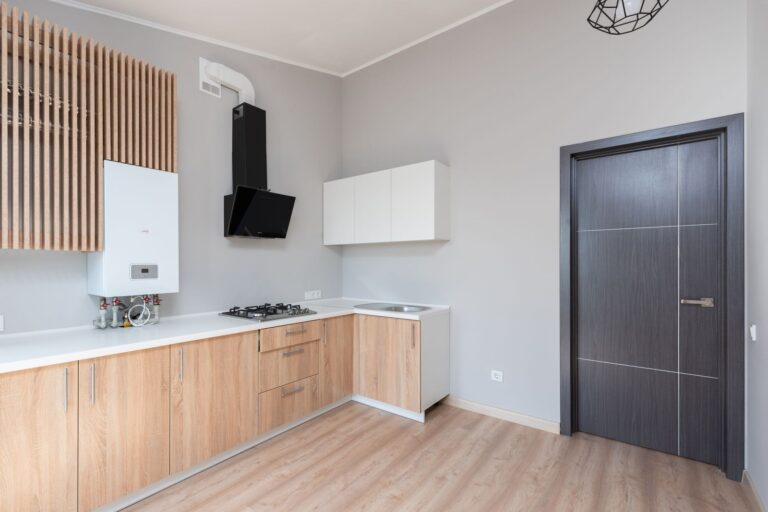
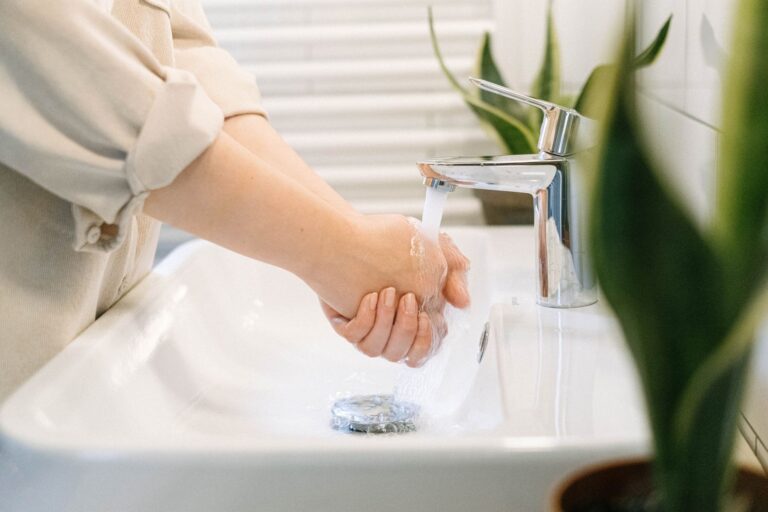
Your stopcock is the valve that shuts off the mains water coming into your home. It is usually under the kitchen sink, but in older Bradford homes it can also be under the stairs, in a downstairs toilet, or in the cellar. Turn it clockwise to close it, then open a cold tap and wait a few minutes: when the water stops running, the valve has worked. Find it and test it now, before you ever need it in a hurry, because a burst pipe gives you minutes, not an afternoon to go looking.
Find your situation first
- Water pouring out right now: go to turning the water off in an emergency.
- Water off for planned work: go to turning the water off step by step.
- Cannot find the valve: go to where is your stopcock?
- Handle will not turn, spins, or leaks: go to when your stopcock has a problem.
- Who pays if it needs replacing: go to who is responsible for what?
- Costs: go to what does it cost?
What is a stopcock?
A stopcock, also called a stop tap, is the main valve on the water supply pipe where it enters your home. Close it and no mains water reaches any tap, toilet, boiler or appliance in the house. It is the one valve between a burst pipe and a flooded home.
There are two types. The older type has a round wheel handle or a cross-shaped handle on a brass body, and takes several turns to close. The newer type is a lever handle: a quarter-turn closes it, with the lever across the pipe when shut.
Do not confuse the stopcock with the small isolation valves under your sinks and behind your toilet. Those shut off one tap or one appliance only. The stopcock shuts off the whole house.
Where is your stopcock?
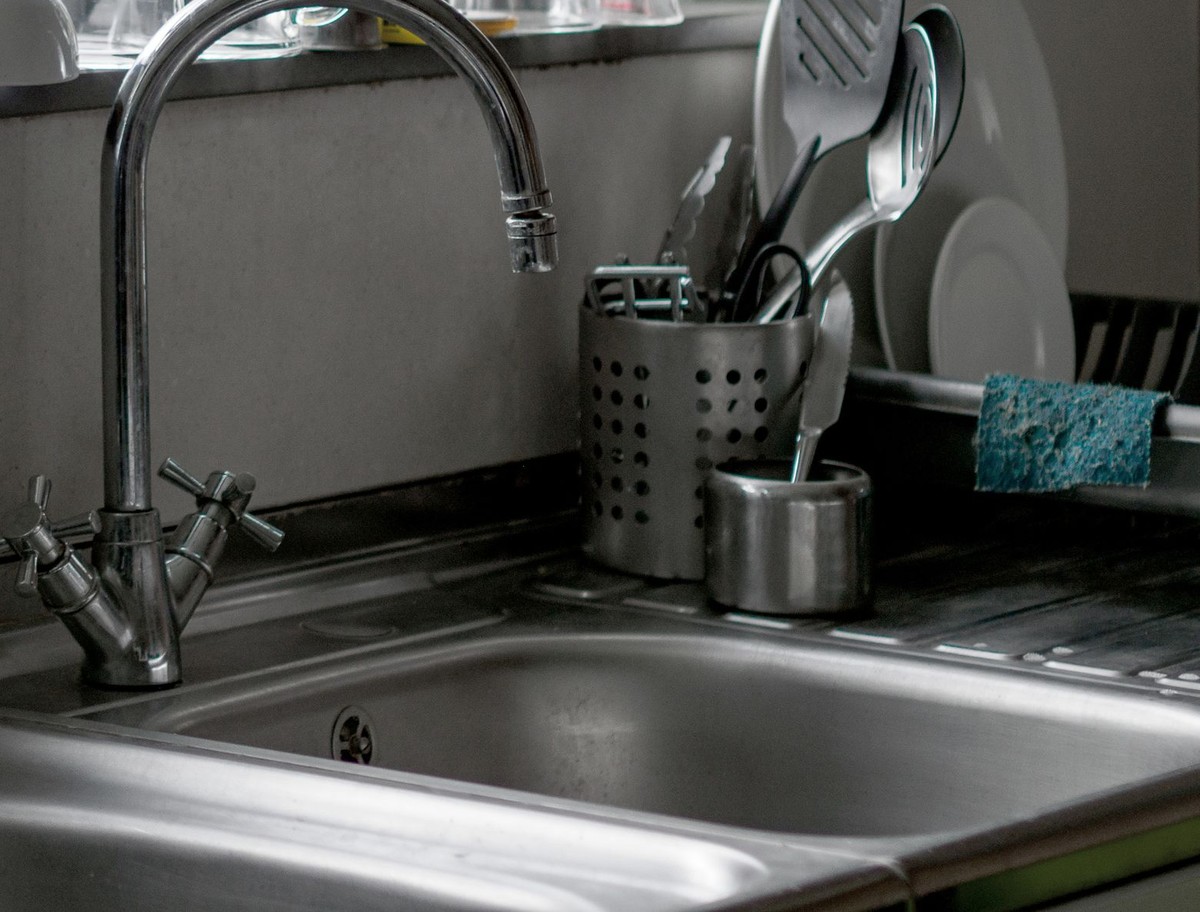
Start under the kitchen sink. If it is not there, check under the stairs, in a downstairs toilet, in the garage, and in the cellar.
| House type | Where to look first | What you are likely to find |
|---|---|---|
| Victorian or Edwardian terrace | Under the kitchen sink, then the cellar | An old brass wheel-handle valve on lead or copper pipe |
| Back-to-back terrace | Under the kitchen sink, then under the stairs | A small brass valve low down, sometimes on shared pipework |
| House with a cellar | Where the supply pipe comes through the cellar wall | The valve just inside the wall, sometimes above head height |
| Flat or maisonette | Under the kitchen sink, then the hallway cupboard | Your own valve inside the flat |
| Newer build (1990s onwards) | Under the kitchen sink or in the utility room | A modern lever-handle ball valve, usually easy to reach |
| House with a loft tank | Under the kitchen sink first, as usual | Taps fed from the tank keep running until it drains |
If you still cannot find it, check the outside stop tap, under a small cover in the pavement, the front path, or near your boundary, often beside the water meter. That one belongs to your water supplier, and you may need their permission to use it. You will need a stop tap key, a long T-shaped bar from a DIY shop, to reach it. WaterSafe’s guide to turning off your water shows both locations: check it works every six months.
Turning the water off step by step
- Clear the space around the stopcock so you can get both hands on the valve.
- Turn the handle clockwise until it stops. A wheel handle takes several turns; a lever handle takes a quarter-turn, until it sits across the pipe. Turn it firmly by hand: never force it.
- Open a cold tap, ideally the lowest one in the house. The water runs for a few minutes, then slows and stops. If it keeps running at full pressure after five minutes, the valve is not shutting off properly.
- Open a hot tap too if you need the system drained. Cold water stops at once, but stored hot water keeps flowing until it runs out. Turn the boiler and immersion heater off first.
- Do the work, then turn the stopcock back on slowly. Open it anticlockwise, then open a cold tap and let the water run until it is clear and steady.
- Leave the valve fully open, then back a quarter-turn, so the spindle stays free.
If you only need to change one tap or fix one toilet, use the isolation valve on that pipe first. It is a small valve on the supply pipe to the tap or cistern, often turned with a flat screwdriver: slot in line with the pipe means open, slot across means shut.
Turning the water off in an emergency
When water is pouring out, go straight to the stopcock, turn it clockwise until it stops, then open the lowest cold tap to drain the pipes. Put towels under the leak, and switch off the electricity at the consumer unit if water is near sockets, switches or light fittings. Never touch electrics while you are standing in water.
If the stopcock will not turn, or you cannot find it, go to the outside stop tap with a stop tap key if you have one. If that fails too, call a plumber at once and tell them the water is running and the stopcock will not close: that is what gets you treated as an emergency. If you smell gas, leave the property and call the National Gas Emergency Service on 0800 111 999.
When your stopcock has a problem
Most stopcocks fail in one of four ways. Never force a valve that will not move: a snapped spindle leaves you with water you cannot turn off.
| Problem | What you will notice | Safe check, or plumber job |
|---|---|---|
| Seized, will not turn | Handle solid after years untouched; scale has locked the spindle | Safe check: gentle rocking by hand, a few millimetres each way. If it stays stuck, plumber job |
| Spins but water keeps flowing | Handle turns freely and the taps still run at full pressure | Plumber job: the washer or spindle inside has failed |
| Leaks from the spindle or a joint | Water weeping around the handle, or dripping where the pipe meets the valve | Safe check: dry it, watch where the drip comes from, tighten the nut gently. If it keeps dripping, plumber job |
| Cannot find it anywhere | No valve under the sink, stairs, toilet or cellar | Safe check: follow the supply pipe from the front of the house. If it is boxed in or buried, plumber job |
A seized or leaking stopcock is not a job to leave until the next emergency, because the next emergency is exactly when you will need it. Our guide to a leaking or seized stopcock covers the safe checks in more detail, including the gland nut step.
When to stop and call
Call a plumber if the stopcock will not turn by hand; if it turns but the water keeps running; if it leaks from the body of the valve; if you cannot find it; or if water is pouring out and you cannot stop it. A stopcock that does not shut the water off is not a minor fault, and a plumber can usually replace one in under an hour.
If water is running now and you cannot stop it, call an emergency plumber in Bradford and say the stopcock will not close: that tells them it is urgent and what they are coming to. You can also call Plumber Bradford Pros on 01274 041977. If water is near sockets or light fittings, switch the electricity off at the consumer unit first.
What does it cost?
Every figure below is a UK guide average from Checkatrade’s stopcock replacement cost guide, last updated in June 2026. These are guide averages, not this business’s prices.
| Job (supply and fit) | UK guide average range | Average |
|---|---|---|
| Replace a manual internal stopcock | £100 to £200 | £150 |
| Replace or install a manual external stopcock | £150 to £300 | £225 |
| Install an automatic water shut-off valve | £200 to £420 | £310 |
A straightforward internal replacement usually takes under an hour. The price rises when the valve is hard to reach, or when old lead pipework needs adapting to copper. An automatic valve costs more because it detects leaks and cuts the water off by itself. The full breakdown is in Checkatrade’s stopcock replacement cost guide.
Who is responsible for what?
The split is simple: your side of the boundary is yours, and the street is your water supplier’s. In Bradford that supplier is Yorkshire Water. The table follows Yorkshire Water’s own guidance, on their who is responsible for fixing my pipework page.
| Pipe or valve | Who is responsible | What that means for you |
|---|---|---|
| Internal stopcock | You, the homeowner | You maintain it, and you pay if it needs replacing |
| Supply pipe, boundary to house | You, the homeowner | A leak here is yours to fix |
| Stop taps on your property | You, the homeowner | An outside tap on your own land is yours |
| Water main in the street | Yorkshire Water | Report a leak in the road to them |
| Communication pipe, main to boundary | Yorkshire Water | Their pipe up to the edge of your property |
| Stop tap in the road or pavement | Yorkshire Water | Report it if broken or leaking |
| Shared supply pipe in a terrace | Jointly, with neighbours | You share the repair cost |
The water meter and its connections belong to Yorkshire Water even when the meter sits inside your boundary, so do not work on the meter itself. If you rent, the landlord is normally responsible for repairs to the supply pipe and the stopcock, so tell them rather than paying yourself. If the pipework on your side needs replacing, our water line repairs in Bradford page covers what that involves.
Why this matters more in Bradford homes
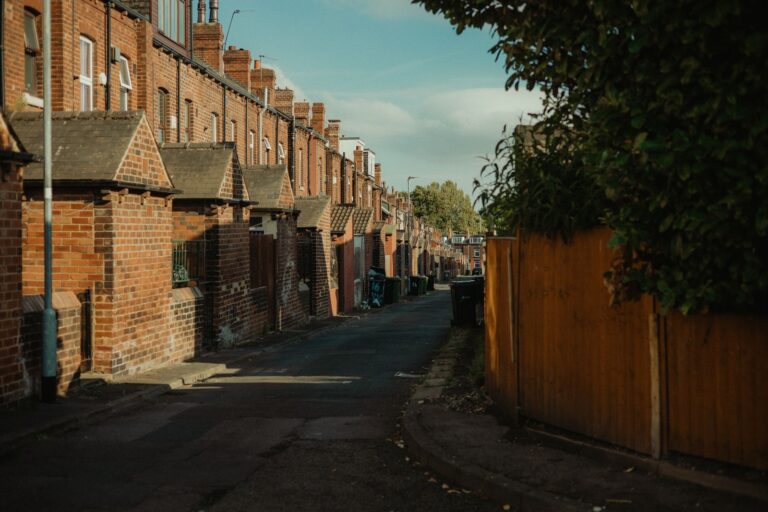
Much of Bradford is Victorian and Edwardian terraces and back-to-backs, built when the valve was fitted wherever the supply pipe happened to enter the house, not where it would be easy to reach. In a terrace that can mean a valve low down behind the kitchen units. A stopcock in a cellar can sit untouched for decades in damp air while scale builds up inside it: it looks fine from the outside because it is brass, but the thread inside has locked solid, and that is the valve that fails on the one night a pipe bursts. Loft pipes are the matching winter risk, because a hard Pennine frost can split a pipe in a cold loft. In student and landlord homes, the people living there often do not know where the stopcock is, because nobody has shown them. If you are a landlord, put its location in the welcome information for every tenancy.
Prevention: make sure it works before you need it
- Test it twice a year. Turn it off, check a cold tap stops running, then turn it back on.
- Label it. A tag on the pipe that says “STOPCOCK” means anyone can find it in a hurry.
- Tell everyone in the house. Show every adult and older child where it is and which way it turns.
- Keep the space around it clear. A stopcock buried behind cleaning products is one you cannot reach when water is running.
- Fix a stiff valve in summer, not in a January emergency. If it is hard to turn now, get it freed or replaced while the weather is kind.
Frequently asked questions
Where is the stopcock in most houses? Under the kitchen sink, where the cold supply pipe comes up through the floor. If it is not there, check under the stairs, in a downstairs toilet, in the garage, or in the cellar.
Which way do I turn the stopcock to turn the water off? Clockwise to close it, and anticlockwise to open it. A lever handle closes with a quarter-turn, so the lever sits across the pipe when the water is off.
How long does the water take to stop? A few minutes. Open the lowest cold tap and let the pipes drain. If it is still running at full pressure after five minutes, the valve needs a plumber.
What should I do if my stopcock will not turn? Try gentle rocking by hand, a few millimetres each way, and never force it with a spanner or a wrench: a snapped spindle leaves you with water you cannot turn off. If it stays stuck, call a plumber to free or replace the valve.
Can I turn off the outside stop tap myself? In an emergency, yes, with a stop tap key. The outside tap in the road or pavement belongs to Yorkshire Water. Stop taps on your own property are your responsibility.
How much does it cost to replace a stopcock? As a UK guide average from Checkatrade, last updated in June 2026, a manual internal stopcock costs £100 to £200, average £150. An external stopcock costs £150 to £300, average £225.
Plumber Bradford Pros, 164 Dyson Street, Bradford BD9 4DE. Call 01274 041977 if your stopcock will not turn, will not shut the water off, or you cannot find it.