Rusty hot water usually means the inside of a hot water cylinder is corroding, or old iron pipework is shedding rust into the water. A bad-egg smell in hot water only usually means sulfur bacteria reacting with the magnesium anode rod inside the cylinder. Run the two-tap test first: fill a glass from each tap and compare the colour and the smell. If only the hot water is affected, the fault is inside your hot water system. If both taps are affected, the water supply is the likely cause. This guide shows how to tell the difference, the safe checks in order, and UK guide repair costs.
Find your situation first
- Bad-egg smell from hot taps only: go to what is causing it?
- Smell or colour from both taps: go to what is causing it?
- Rusty water from hot taps only: go to what is causing it?
- Combi boiler, no cylinder: go to what kind of hot water system do you have?
- Water under the cylinder, or a leak: go to when to stop and call.
- Costs: go to what does it cost?
- When to stop: go to when to stop and call.
What kind of hot water system do you have?
This is the first question, because the cause depends on the system. A combi boiler heats water on demand and has no hot water cylinder, so it has no anode rod. If your hot water smells or runs rusty and you have a combi, the cause is in the boiler’s heat exchanger, the pipework, or the water supply, not a rod. A system boiler stores hot water in a cylinder. A heat-only boiler stores hot water in a cylinder too, and has a cold-water tank in the loft that feeds it. Both cylinder systems have an anode rod, and both can grow the sulfur bacteria behind the bad-egg smell. The Energy Saving Trust’s guide to boiler types explains the difference between combi, system, and heat-only boilers.
If you are not sure which system you have, look for a large cylinder, usually white or copper-coloured, in an airing cupboard or bathroom cupboard. No cylinder means a combi. Do not open any panel or casing to find out: the outside of the cylinder tells you enough.
What is causing it?
Find your symptom in the table, then work through the safe checks. The two-tap test decides which half of the table applies to you.
| Cause | What you will notice | Safe to check yourself, or engineer job |
|---|---|---|
| Anode rod worn out, magnesium type | Bad-egg smell from hot taps only, worst in the morning | Engineer job |
| Sulfur bacteria in the cylinder | Bad-egg smell from hot taps only; worse after a day or two without use | Engineer job |
| Cylinder corroding inside | Rusty or brown water from hot taps only; worst after a long shower or a bath | Engineer job |
| Sediment in the cylinder | Brown water from hot taps, sometimes with popping or rumbling noises | Engineer job |
| Old galvanised or iron pipework | Rusty water from hot and cold taps; clears after the tap has run for a minute | Plumber job |
| Disturbed mains or old iron mains | Rusty or tea-coloured water from both taps; neighbours have it too | Safe check: ask neighbours. The supply is Yorkshire Water’s job |
| Loft cold-water tank dirty, or its lid off | Smell or odd taste in hot water in a vented system | Engineer job |
| Combi heat exchanger or scale | Rusty or smelly hot water with a combi boiler, which has no cylinder and no rod | Engineer job |
Two facts explain most cases. The anode rod is a long metal rod, usually magnesium, hung inside the cylinder. It corrodes on purpose, so the steel cylinder does not. As it corrodes it gives off hydrogen, and sulfur bacteria in the warm water use that hydrogen to turn sulfate into hydrogen sulfide gas, the rotten-egg smell. That is why the smell shows up only on the hot side: cold water never sits in the tank. Rusty hot water alone usually means the rod ran out some time ago and the tank itself has started to corrode. If you have a water softener, tell the engineer: softened water wears a magnesium rod out faster.
Our guide to a water heater popping, rumbling or banging explains the sediment side of this problem: the noises a cylinder makes when sediment builds up, and when the noise means the cylinder needs attention.
Safe checks, in order
Work through these in order. Stop at any step where you find a leak, or water near electricity or gas.
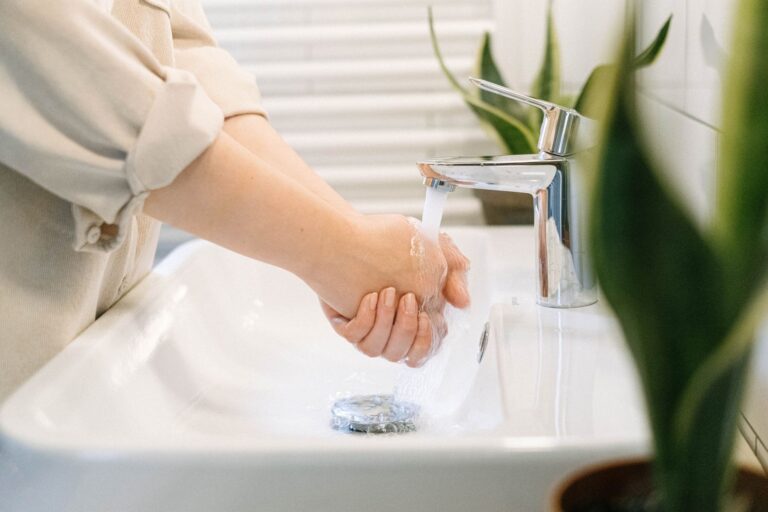
- Run the two-tap test. Fill a glass from the cold kitchen tap and smell it. Do the same at the hot tap. Smell or colour on the hot side only means the fault is in your hot water system. Smell or colour on both sides means the water supply is the likely cause.
- Run the hot tap for a minute and test again. If it clears, the cause is water that has been sitting still: in the cylinder, in old pipework, or in the mains. If it stays brown or smelly, the fault is active.
- Ask your neighbours. If their water is brown or smells too, the cause is in the street mains, not your house. Yorkshire Water says tea-coloured water is often caused by iron deposits in the mains being disturbed. Their advice on light brown or tea-coloured water also says not to run the hot tap, or use appliances fed by hot water, while the water is discoloured.
- Look at the cylinder, without opening anything. Check the age on the label, look for rust stains or damp patches around the base and the pipes, and look for water on the floor. A leaking cylinder, or one with rust stains running down its side, has already started to fail.
- Check the thermostat setting, but do not change it to fix a smell. Stored hot water should be kept at 60°C. Never turn the thermostat down to try to stop a smell. Turning it up is a job for an engineer, because water that hot scalds.
- Check the loft tank, only if you can do it safely. This applies to vented systems only, the ones with a cold-water tank in the loft. Look at the tank: the lid should be on, and the water should be clear. If the lid is off, or there is debris in the tank, stop and call an engineer.
- Check for a gas smell if you have a gas water heater. A bad-egg smell from the water is not the same as the smell of gas, but if you smell gas in the air near the heater, leave the property and call the National Gas Emergency Service on 0800 111 999.
- Do not drink brown water. Use bottled water for drinking until the water runs clear. You can still wash with it, but it will stain laundry and baths.
Never remove the anode rod yourself to stop the smell: running a cylinder with no rod lets the steel tank rust, and it can void the warranty. Never drain an unvented cylinder yourself: that work is for a qualified installer only. Never plug or cap the discharge pipe of the relief valve. Gas work is for a Gas Safe registered engineer only.
When to stop and call
Call a heating engineer if the hot water is rusty and the cold water is clear; if the bad-egg smell stays after the hot tap has run for a minute; if there is water under the cylinder, or rust stains on it; if the cylinder is over ten years old and has never been serviced; or if the smell came back soon after an anode rod was changed. A rusting cylinder will leak in time.
If the smell or colour is on both hot and cold taps, and your neighbours have it too, that is a supply problem: contact Yorkshire Water and check for works in your area. If the heater runs on gas, and you smell gas in the air, call a gas plumber in Bradford who is Gas Safe registered. For the cylinder itself, call a water heater service in Bradford visit and say whether the problem is the smell, the colour, or both, and whether the cold tap is affected too. You can also call Plumber Bradford Pros on 01274 041977.
What does it cost?
Every figure below is a UK guide average from Checkatrade’s immersion heater replacement cost guide, last updated in July 2026 — guide averages, not this business’s prices. There is no published UK guide figure for an anode rod change on its own: it is usually priced as part of a cylinder service visit, so ask for a quote that includes it.
| Job (supply and fit, where stated) | UK guide average range | Average |
|---|---|---|
| Immersion heater element replacement | £130 to £230 | £180 |
| Full immersion heater replacement | £150 to £255 | £200 |
| Draining of hot water cylinder | £50 to £85 | £70 |
| Replacement thermostat | £20 to £50 | £35 |
| Total immersion heater replacement, including cylinder draining and a new thermostat | £220 to £390 | £300 |
Checkatrade puts the average plumber rate for this kind of repair at around £50 to £60 an hour. The cheapest outcome is a rod change and a flush on a cylinder that is still sound. If the cylinder itself has corroded, the whole unit needs replacing, not a part. The full breakdown is in Checkatrade’s immersion heater replacement cost guide.
Checkatrade’s guide also gives the repair-or-replace rule: an immersion heater usually lasts 10 to 20 years, and if the unit is more than 10 to 15 years old, a full replacement is usually better value than repeated repairs.
Why this matters more in Bradford homes
Much of Bradford is Victorian and Edwardian terraces, and many of those houses still have a vented hot water cylinder in an airing cupboard, fed by a cold-water tank in the loft. Those cylinders are often twenty years old or more, and the anode rod inside them was never checked, because nobody knew it was there. A rod lasts three to five years. A cylinder that has never been serviced has usually been running with a spent rod for a decade, and the first sign is rusty water, or a smell that nobody can place.
The same houses often still have old galvanised or iron pipework, which sheds rust into both hot and cold water. Here the two-tap test matters most: rust on both sides points at the pipework or the mains. In flats, tell the landlord: the cylinder and the loft tank are the landlord’s responsibility.
Prevention: keep the cylinder healthy
- Service the cylinder every year. It covers the rod, thermostat, and relief valve.
- Ask for the anode rod to be checked every two to three years. It is the part that stops the tank rusting, and it is cheap next to a new cylinder.
- Have the cylinder flushed when it is serviced. Flushing clears the sediment that feeds smells and noises.
- Keep stored hot water at 60°C. Never turn the thermostat down to save money: cooler stored water lets bacteria grow.
- Keep the loft tank lid on. A lid keeps dust and debris out of the water that feeds the cylinder.
Frequently asked questions
Why does only my hot water smell like rotten eggs? The smell is made inside the hot water cylinder, not delivered by the water supply. A magnesium anode rod gives off hydrogen as it corrodes, and sulfur bacteria in the warm water turn sulfate into hydrogen sulfide gas, the rotten-egg smell. Cold water never sits in the cylinder, so it stays smell-free.
Will a new anode rod fix the bad-egg smell? Usually yes, when the smell is only on the hot side. The magnesium rod is normally changed for an aluminium-zinc alloy rod, or a powered anode rod, which does not feed the reaction. Swap the rod, do not just remove it: without a rod the steel tank rusts.
Can I just remove the anode rod instead of replacing it? No. The rod is what keeps the steel cylinder from rusting from the inside out. Running a cylinder with no rod shortens its life and can void the warranty.
My hot and cold water are both brown. What do I do? Run the cold kitchen tap for a few minutes and see if it clears. Ask your neighbours: if they have it too, the cause is in the mains. Do not run the hot tap or any appliance fed by hot water while the water is discoloured. If it does not clear, contact Yorkshire Water.
How long does a hot water cylinder last? Checkatrade, last updated in July 2026, puts an immersion heater at 10 to 20 years, and says a unit over 10 to 15 years old is usually better replaced than repaired. The anode rod inside it lasts three to five years.
Plumber Bradford Pros, 164 Dyson Street, Bradford BD9 4DE. Call 01274 041977 if your hot water is rusty or smells like bad eggs, and the cold tap is clear.