A leaking stopcock usually drips from the compression nuts where the pipes join the valve, or from the gland nut just below the handle. A seized one has usually sat untouched for years while scale locked the spindle in place. Both share one rule: never force the valve. A gentle tighten can stop a drip, and gentle rocking can free a stiff valve, but a spanner used as a lever can snap the spindle. If the valve will not move by hand, or the leak does not stop, leave it and call a plumber.
Find your situation first
- Water drips from the valve itself: go to is it leaking?
- The handle will not turn at all: go to is it seized?
- The valve turns but the water keeps flowing: go to is it leaking?
- You need the water off in a hurry: go to safe checks
- Costs: go to what does it cost?
What is a stopcock, and where is yours?
A stopcock, also called a stop tap, is the valve that shuts off the mains water coming into your home: the one valve between a burst pipe and a flooded house.
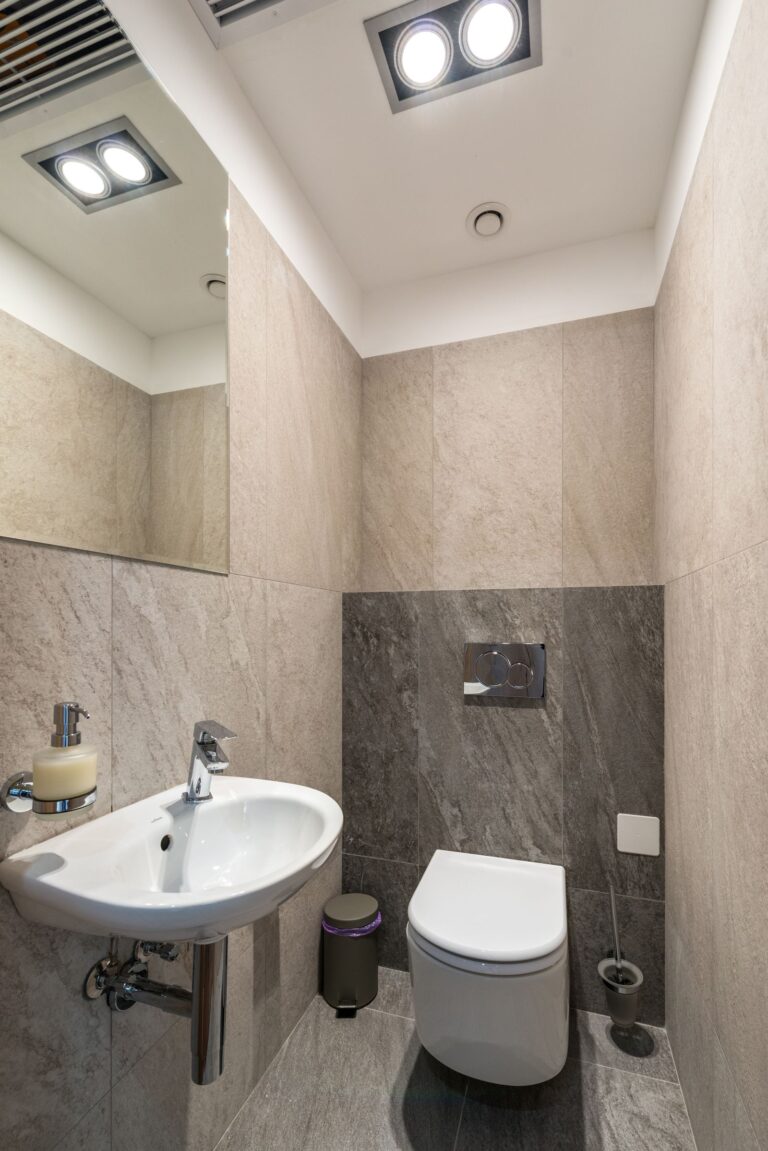
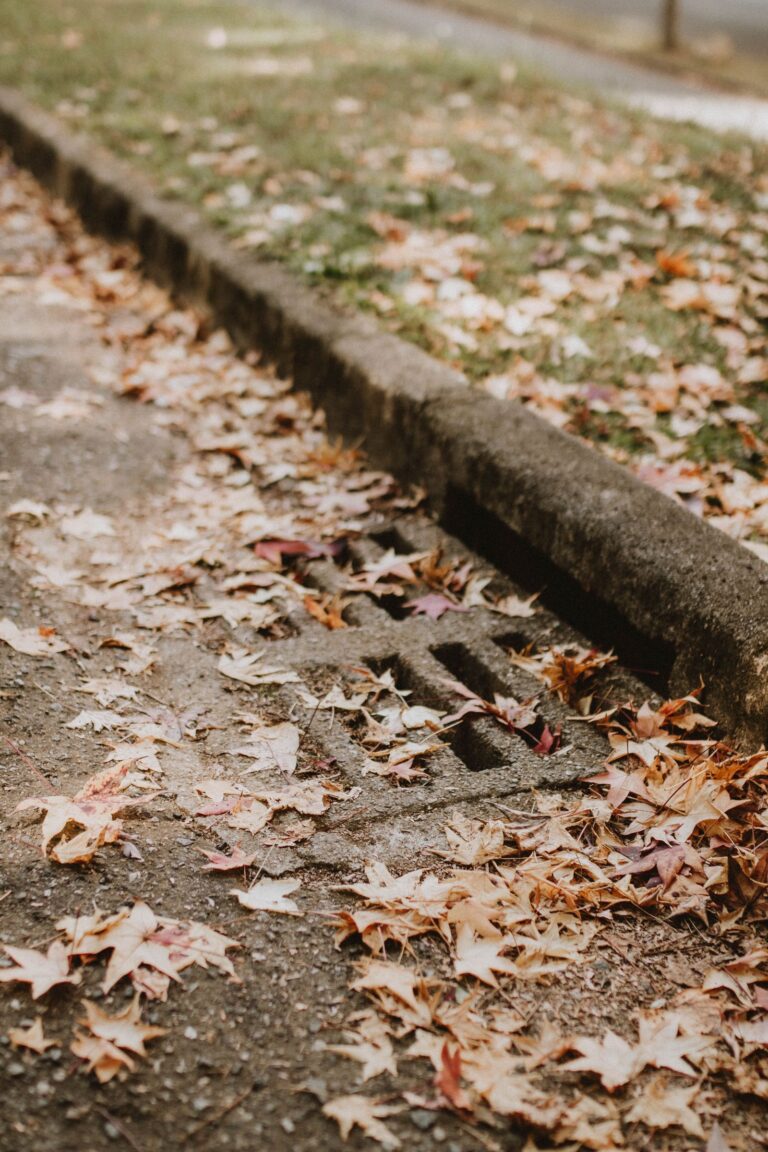
Your internal stopcock is inside your home, usually under the kitchen sink, but also under the stairs, in a downstairs toilet, or in the cellar. It is yours to maintain. Your external stopcock sits outside, under a small cover in the pavement or path near your boundary, often beside the water meter. That one belongs to your water supplier, and you may need their permission to operate it, even in an emergency. WaterSafe’s guide to turning off your water safely gives both locations and the same warning: turn slowly, and never force it.
Turn the handle clockwise to close the valve and anticlockwise to open it. The water can take a few minutes to stop, because the pipes still hold water. When the valve is fully open, turn it back a quarter-turn, so the spindle does not stick in the open position.
| Valve | Where it is | Whose job is it? |
|---|---|---|
| Internal stopcock | Under the kitchen sink, under the stairs, or in a cellar | Yours: you maintain and repair it |
| External stopcock | Under a small cover in the pavement or path near the boundary | Your water supplier’s: in Bradford, Yorkshire Water |
| Shared supply stopcock | One external valve serving two or more homes | Water supplier’s; it cuts water to every home on it |
What causes a stopcock to leak or seize?
A stopcock is a simple brass valve that fails in only a few ways. Find your row in the table before you touch anything.
| Cause | What you will notice | Who fixes it |
|---|---|---|
| Loose compression nut | Water dripping where the pipe meets the valve | Safe check: a gentle tighten often stops it |
| Worn gland packing | Water weeping up the spindle, around the handle | Safe check: tighten the gland nut |
| Worn washer in the head gear | No visible drip, but water still runs when the valve is closed | Plumber job: the washer sits at the base of the spindle |
| Scale build-up inside the valve | Handle stiff or stuck; valve not turned for years | Safe checks first, then a plumber |
| Corroded or cracked valve body | Water from the body of the valve, or green crust on old brass | Plumber job: the valve needs replacing |
Is it leaking?
Start here when you can see water coming from the valve. Dry it with a cloth and watch it for a minute: a drip at a nut on the side, at the gland nut under the handle, or from the body itself each has a different fix. A leak from the body means the valve is cracked or corroded.
If the drip comes from a compression nut, try tightening it first. Hold the valve body steady with water pump pliers, then turn the nut clockwise with a spanner: a small turn is often enough. Do not over-tighten, or you can crush the olive inside the joint. If tightening does not stop it, the joint needs resealing with PTFE tape, which means turning the water off outside and draining the pipes first: a plumber job for most people.
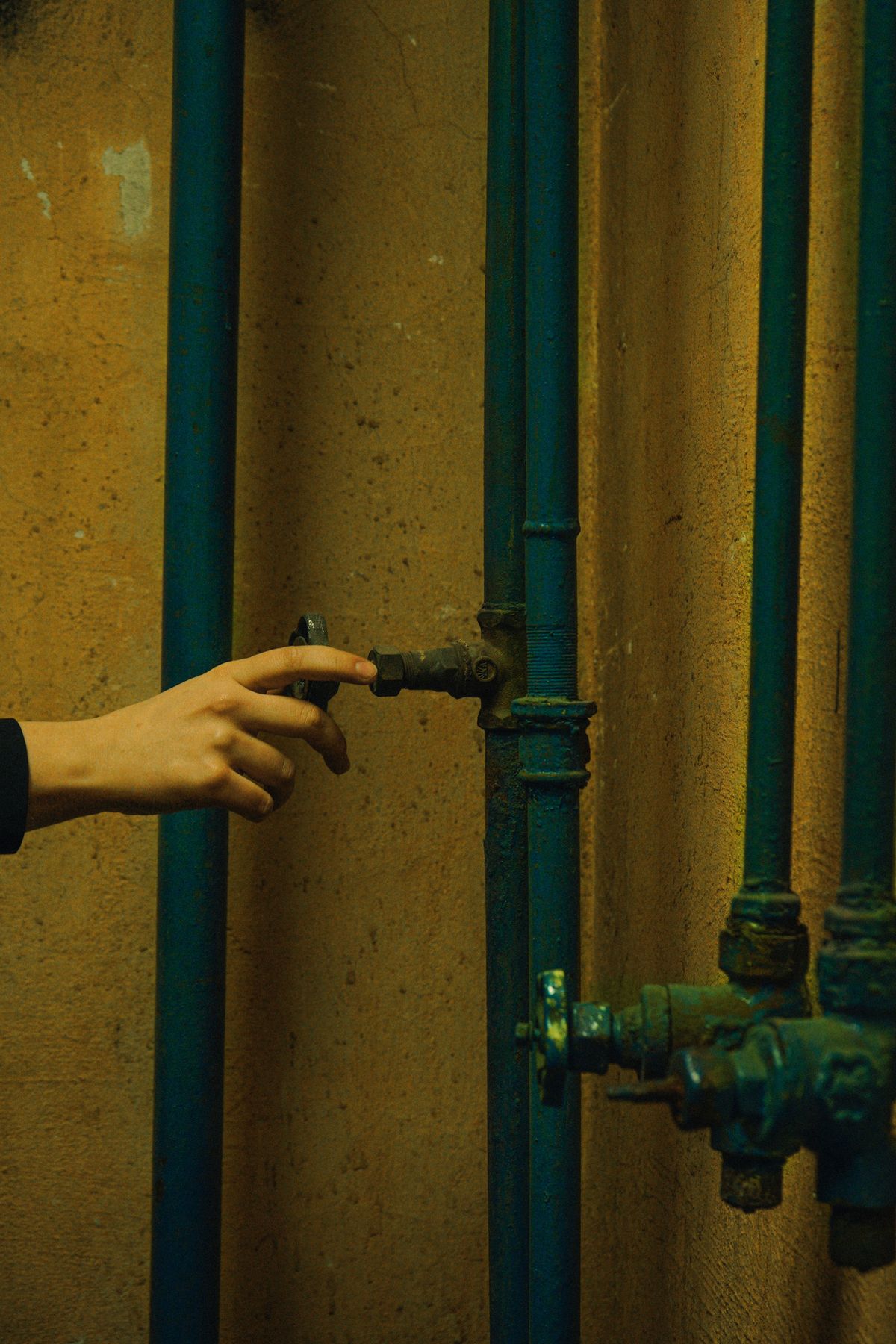
If water weeps up around the handle, the gland nut is the cause. It sits just below the handle, packed with material that seals the spindle. Tighten it gently with a spanner, but only a little: over-tightening will make the valve hard to turn. If the drip continues, the packing inside has worn out, and replacing it is a plumber job.
If there is no visible drip but water keeps running after you close the stopcock, the washer inside the head gear has worn out. It sits at the end of the spindle. Replacing it means turning the water off outside, draining the pipes, and taking the handle and spindle out: a plumber job. Do not leave a valve that will not shut off: it is the valve you will need most in an emergency.
Is it seized?
Start here when the handle will not turn. A stopcock seizes because it has sat untouched for years while scale built up inside it: many older Bradford homes still have the original brass valve, never turned since the last plumbing job. The valve is not rusty, because it is brass and copper: the problem is scale jamming the thread, not rust.
Try this in order. First, work the handle gently back and forth by hand, a few millimetres each way: rocking often breaks the scale seal where forcing it would not. Second, loosen the gland nut by about half a turn to take pressure off the thread inside, then tighten it back up once the valve is free. Third, tap the handle very gently with a spanner in both directions. Never hit it hard, and never use a hammer: a sharp blow can crack the valve or the pipe behind it.
Some guides suggest penetrating oil around the spindle. Others, including a plumber advising Which?, advise against it: oil works on rust, and a brass stopcock is scaled up rather than rusty, so the oil only makes the valve slippery. If gentle hand pressure and the gland-nut step do not free the valve, stop: the next step is a replacement, not more force. A brass spindle twists like toffee under too much torque.
If you need the water off urgently and the internal valve will not move, use the external stopcock instead. You will need a stopcock key, a long T-shaped bar from any DIY shop, to reach down to it. Lift the cover and turn the valve clockwise. If your home shares a supply pipe with a neighbour, turning it off cuts their water too, so tell them first. If you cannot find the external valve, or it is seized as well, call Yorkshire Water: it is theirs. If the reason you need the water off is a burst pipe, our guide to what to do when a pipe bursts walks through the first ten minutes.
Safe checks you can do yourself
Work through these in order.
- Find the valve and dry it.
- Tighten a dripping compression nut gently. Hold the valve body steady and turn the nut clockwise a small amount. Never over-tighten.
- Tighten a weeping gland nut gently. A small turn often stops water coming up the spindle.
- Rock a stiff handle by hand. A few millimetres back and forth, with steady hand pressure only.
- Loosen the gland nut half a turn. Retighten it once the valve moves.
- Test the valve shuts the water off. Close it fully, then open a cold tap: the water should stop within a few minutes.
- Open it fully, then back a quarter-turn. A valve left fully open is the one that seizes next time.
None of these checks involves opening a boiler or touching gas pipework. Never open a boiler casing: gas work is for a Gas Safe registered engineer only. If you smell gas, leave the property and call 0800 111 999.
When to stop and call
Call a plumber if any of the following apply: the handle will not move with gentle hand pressure; water keeps running from the taps after you close the valve; the leak comes from the body of the valve, or the brass is cracked; water is coming through a ceiling or floor; the spindle has snapped, or the handle spins without closing the valve; or you cannot find the external stopcock, and the water needs turning off now.
For a leaking or seized stopcock, contact our water line repairs in Bradford service, or call 01274 041977. Tell us whether the valve leaks or will not turn, and where it is in the house. A plumber can usually replace an internal stopcock in under an hour, and a modern lever valve is far less likely to seize.
What does it cost to fix?
The figures below are UK guide averages from Checkatrade’s stopcock replacement cost guide, updated June 2026, not this business’s prices.
| Job | UK guide average | Notes |
|---|---|---|
| Replace an internal stopcock (supply and fit) | £100 to £200, average £150 | Usually 30 minutes to 1 hour |
| Replace an external stopcock (supply and fit) | £150 to £300, average £225 | At the boundary |
| Fit an automatic water shut-off valve | £200 to £420, average £310 | Shuts the water off on its own; 1 to 2 hours |
A simple tighten is the cheapest outcome, and often all a dripping valve needs. A replacement is still a modest job next to the water damage a failed stopcock allows: a burst pipe left running can flood a room in minutes. Get a written quote first.
Why this happens a lot in Bradford homes
Bradford’s older terraced and back-to-back homes make stopcock trouble more likely in three ways. First, the valves are old: many houses still have the original brass stopcock, never turned since it was fitted decades ago. Second, they are hard to reach: in a terrace the stopcock is often in a cellar or under the stairs, so nobody checks it. Third, some older properties still have short runs of lead supply pipe, and a seized valve on lead pipe is the worst combination, because the pipe behind it is easily damaged by force.
Shared supplies are another Bradford factor. In older streets, two or more homes can share one supply pipe and one external stopcock, so turning it off cuts the neighbours’ water as well: tell them first, and agree a time. A WaterSafe survey found that 13 per cent of people in Yorkshire and the Humber do not know where their stop tap is. That is the first thing to fix, and it costs nothing: find your internal stopcock today, check it turns, and make sure everyone in the house knows where it is. For other small leaks and tap jobs around the house, our general plumbing in Bradford service covers the same kind of work.
Preventing the next failure
- Test the valve every six months, using the clock change as a reminder.
- Always leave a quarter-turn back. Open the valve fully, then turn it back a quarter-turn.
- Keep a stopcock key in the house. It is cheap, and the only way to reach the external valve in a hurry.
- Replace a stiff valve before it seizes. If the handle gets harder to turn each year, have a plumber fit a lever valve while the old one still works.
Frequently asked questions
How do I know if my stopcock is leaking?
Dry the valve and watch it. A drip from the nuts on either side means a compression nut leak. Water weeping around the handle means the gland nut or its packing has worn. Water still running when the valve is closed means the washer has worn out.
Can I fix a leaking stopcock myself?
Sometimes: a gentle tighten of a compression nut or gland nut often stops a drip. Replacing packing, a washer, or the whole valve means turning the water off outside and draining the pipes: a plumber job for most people.
What should I do if my stopcock will not turn?
Rock the handle gently by hand, and try loosening the gland nut by half a turn. Never force it: a snapped spindle leaves you with water you cannot turn off. Use the external stopcock with a stopcock key instead.
Should I use WD-40 on a seized stopcock?
Opinions differ. Some guides suggest penetrating oil, but a plumber advising Which? points out that a brass stopcock is scaled up rather than rusty, so oil only makes it slippery. Gentle rocking is the safer first move.
Who is responsible for the outside stopcock?
Your water supplier: in Bradford, Yorkshire Water. You may need their permission to operate it, even in an emergency. If it is seized or you cannot find it, call them.
How much does it cost to replace a stopcock?
UK guide averages from Checkatrade, June 2026: internal £100 to £200, average £150; external £150 to £300, average £225; automatic shut-off valve £200 to £420, average £310. Get a written quote first.
Plumber Bradford Pros, 164 Dyson Street, Bradford BD9 4DE. Call 01274 041977 for help with water line repairs in Bradford.