If one radiator stays cold while the others heat up, no hot water is reaching it at all. Usually one of three things is the cause: a thermostatic valve turned down or with a stuck pin, a lockshield valve left closed, or balancing sending all the hot water to the radiators nearest the boiler. Check both valves first, feel the two pipes underneath, and bleed it once to rule out air. If it is still stone cold, the fault is inside the valve, the pipework, or the balance of the system, and it needs an engineer.
Find your case first
Run the heating for twenty minutes, then feel the cold radiator and its two pipes.
- Stone cold all over, both pipes cold: no hot water is reaching it. Start with the valves.
- One pipe hot, the other cold: water enters but cannot get through — a valve partly shut, a pin stuck, or that radiator blocked.
- Both pipes hot, radiator still cold: water passes by without entering — usually a stuck pin or heavy sludge.
- Cold across the top only: trapped air. Bleed it once — see our guide to a radiator cold at the top.
- Cold across the bottom only: sludge in the base. Bleeding will not fix it — see our guide to a radiator cold at the bottom.
- A whole floor cold, or several cold at once: not a single-radiator fault — zone valve, pump, or pressure.
- A brand-new radiator stays cold: usually an airlock, valves not reopened after fitting, or balancing.
What causes one radiator to stay cold?
Most single cold radiators come from a short list.
| Cause | What you will notice | Safe yourself, or engineer job |
|---|---|---|
| Thermostatic valve turned down | Radiator cold, head on 0 or frost | Safe: turn it up and wait |
| Stuck valve pin | Radiator cold with the valve turned up | Safe to check; engineer if it will not move |
| Lockshield valve closed | Cold after decorating or radiator work | Safe: open it and note the turns |
| Trapped air | Top cold, gurgling, other radiators fine | Safe: bleed once |
| Balancing problem | Nearest radiators hottest; furthest stays cold | Safe if confident and patient; engineer if unsure |
| Sludge in that radiator | Bottom cold, dark water when bled | Engineer job: a clean or flush |
| Faulty valve head | Heats with the head off, stays cold with it on | Safe to test; engineer to replace it |
| Zone valve, pump, or pressure | A whole floor cold, or several cold together | Engineer job |
| New radiator | Cold from the day it was fitted | Safe to check valves and bleed; engineer if still cold |
Safe checks, in order
Do these in order — each one rules something out. None of them involves the boiler casing, the gas supply, or any sealed part of the boiler.
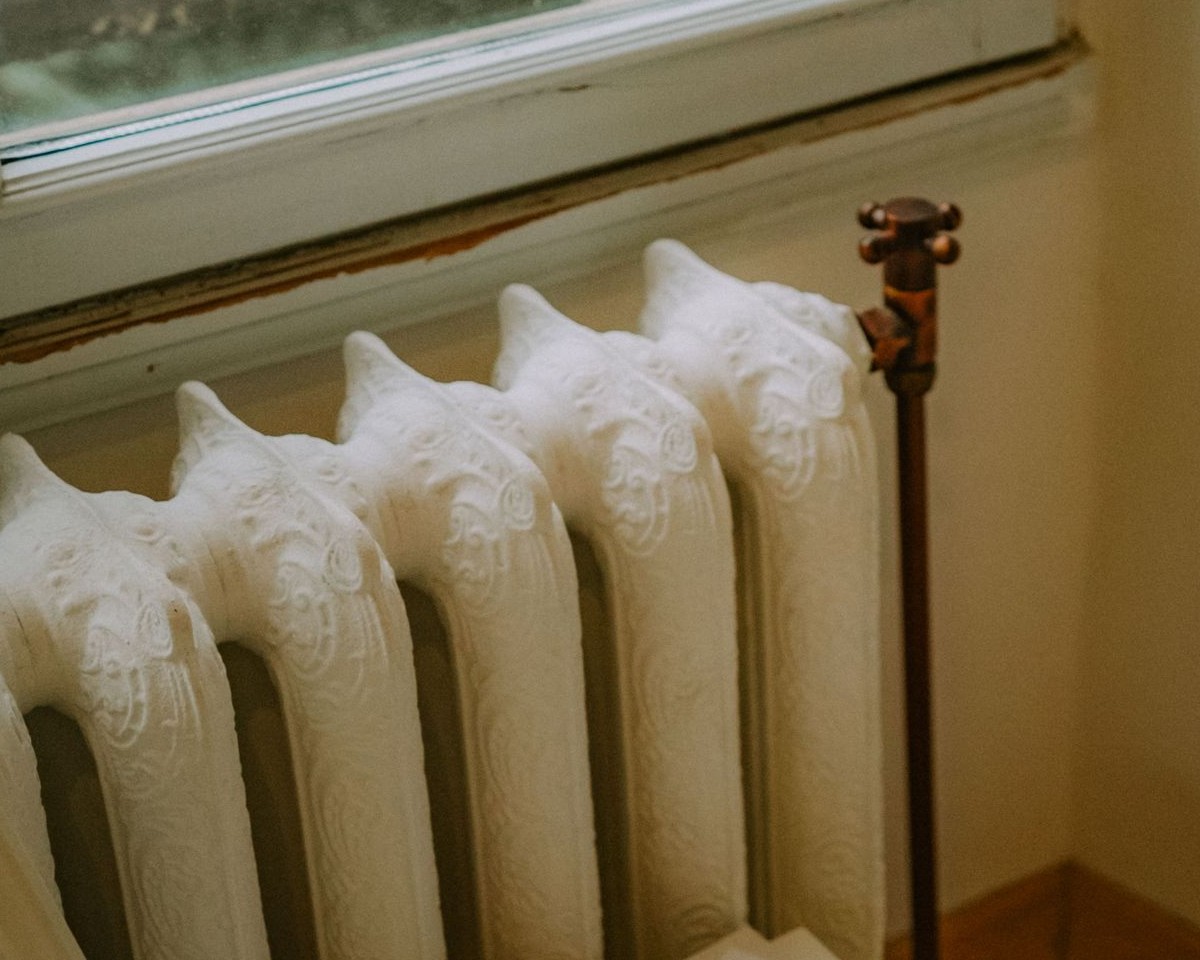
- Run the heating and feel every radiator. Let the heating run for twenty minutes, then feel each radiator from bottom to top. Note which one is cold.
- Feel the two pipes under the cold radiator. Every radiator has a flow pipe bringing hot water in, and a return pipe taking it back. Both cold means no water is reaching it. One hot, one cold means water enters but cannot get through. Both hot with a cold radiator means the water passes by.
- Check the thermostatic valve setting. The white-headed valve with numbers controls how much hot water enters. If it is on zero or frost, turn it up to 5, fully open, while you test. Most rooms are comfortable on 3, roughly 20 degrees.
- Check the lockshield valve at the other end. Under a small plastic cap sits the lockshield valve, which controls the flow through that radiator. It is often closed after decorating, or after a radiator has been taken off and put back. Pop the cap off and check it is open. If it was closed, open it — and count the turns, so the setting can be restored later.
- Test the thermostatic valve pin. A stuck pin is the commonest cause of a single cold radiator, and pins stick most often after a summer with the heating off. With the heating off, take the white head off: a small pin sits underneath. Press it — it should push down and spring back up. Stuck down, and the valve is not letting hot water in. Try to free it gently, but never force it. Viessmann’s guide to a cold radiator explains this pin check in the same terms. If the pin will not move, or a valve is seized, leaking, or damaged, stop and book an engineer.
- Bleed the cold radiator once, to rule out air. A completely cold radiator is rarely an air problem, but one bleed rules it out. With the heating off and the radiator cool, open the bleed valve a quarter turn until air hisses out, then close it when water appears. If it warms up, air was the cause. If it stays cold, do not keep bleeding it — the cause is a valve, a blockage, or balancing. The full steps are in our guide to a radiator cold at the top.
- Check the boiler pressure. On a sealed system, such as a combi or system boiler, most sit at about 1 to 1.5 bar when cold — your boiler manual gives the right figure. Below 1 bar, the furthest radiators usually struggle first. If the gauge has fallen, top the system up slowly through the filling loop, following the manual. If pressure keeps falling after topping up, or rises above 3 bar, call an engineer.
- Check the balance. If the valves are open, the pin moves, and bleeding changed nothing, the radiators nearest the boiler may simply be taking all the hot water. Balancing shares the flow fairly. Checkatrade’s step-by-step balancing guide walks through the method: bleed cold-topped radiators first, let the system cool, open all valves, note the order they warm up, then work from the fastest to the slowest, closing each lockshield valve and reopening it by about a quarter turn. With a thermometer, aim for a drop of about 12 degrees between the flow and return pipes, waiting a few minutes between small adjustments. Radiators further from the boiler usually need their lockshield opened wider — the last one may need to be fully open. Write each valve position down as you go.
- New radiator? Check the fitting. If a radiator has stayed cold since it was fitted, check both valves were reopened, bleed it once, and check the balance. A new radiator can also be blocked by dirty water already in the system. If it is still cold, the installer or an engineer needs to look at it — do not drain radiators yourself.
When the same radiator keeps going cold again
A radiator that warms up after a fix, then goes cold again, is telling you something different. Do not just repeat the same fix.
- Cold again a few days after bleeding: air is getting in, often through a small leak. If the boiler pressure keeps falling, an engineer must find the leak.
- The pin sticks again after you freed it: the valve is failing inside. Freeing it once is a check, not a repair.
- Cold again after balancing: a valve has been moved, a radiator has been taken off for decorating, or sludge is building up again.
- The same radiator is always the cold one: it may be undersized, or at the end of a long pipe run. An engineer can check the sizing and pipework.
When to stop and call a plumber in Bradford
Call an engineer if: the radiator stays cold after the valve checks, the pin test, one bleed, and a pressure check; the pin will not move, or a valve is seized, snapped, or leaking; bled water is black or very dirty; the same radiator keeps going cold; a whole floor is cold; or the boiler shows a fault code. Never open the boiler casing, and never touch the gas supply — gas work is for a Gas Safe registered engineer only. If you can smell gas, leave the property and call the National Gas Emergency line on 0800 111 999. For a central heating service in Bradford, an engineer can test the valves, balance the system, or clean it properly. Call Plumber Bradford Pros on 01274 041977.
What a fix can cost
Checking the valves, the pin, and the pressure costs nothing. The costs below are UK guide averages from Checkatrade, June 2026 — not this business’s prices.
| Job | UK guide average (Checkatrade, June 2026) |
|---|---|
| Remove a small radiator | £80 |
| Remove and repair | £125 |
| Remove and replace a double-panel | £200 |
| Replace a large radiator | £300 |
| Move a radiator | £275 |
| Labour to fit one | Typically £200 to £300 |
| Supply and fit, double-panel | £180 to £300 |
If sludge is the cause, a power flush is a bigger job: £350 to £800 as a UK guide average from Checkatrade, June 2026. Our guides to a radiator cold at the bottom and a radiator cold at the top carry the full flush figures. Replacement figures above: Checkatrade’s radiator replacement cost guide.
One cold radiator in a Bradford home: what is different here?
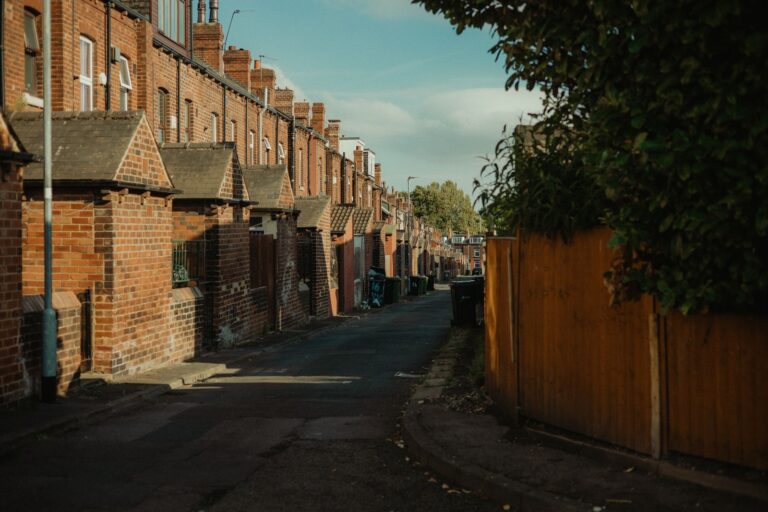
Bradford’s older terraces and back-to-backs often run long pipe runs to the furthest rooms, with radiators of different ages on one loop. The radiator at the end of the run is usually the first to go cold when the balance drifts — the nearest radiators take the hot water first. If the cold one is always the back bedroom, balancing is the likely cause.
Student lets add another pattern: radiators turned off in empty rooms over summer, then switched back on in autumn with the pins already seized. Turning every thermostatic valve through its full range before the heating season takes a minute per radiator and catches this early. Many Bradford homes also mix old and new: a replacement radiator fitted on an older system can stay cold if the valves were not reopened properly, or if dirty water from the old system blocked it.
Prevention: fewer cold radiators next winter
- Before the heating season, turn every thermostatic valve from 0 to 5 and back, so the pins do not seize over summer.
- Bleed cold-topped radiators once at the start of the heating season, and check the pressure afterwards.
- Keep radiators unblocked — furniture against one makes a cold spot harder to notice.
- Write down which radiator went cold and when — a pattern over a few months shows where the fault is.
- Have the system serviced once a year — an annual boiler service in Bradford picks up pressure problems, sludge, and tired valves before winter.
- After any work on the system, check every valve was reopened, and bleed the radiators touched within a day or two.
Frequently asked questions
Why is only one radiator cold when the rest are hot?
Because no hot water is reaching it — usually a thermostatic valve turned down or with a stuck pin, a lockshield valve left closed, or balancing sending all the hot water to the radiators nearest the boiler.
How do I check if the thermostatic valve pin is stuck?
With the heating off, take the white head off and press the pin underneath — it should push down and spring back up. If it is stuck down, the valve is not letting hot water in. Try to free it gently, never force it. If it will not move, the valve needs replacing.
Should I bleed a radiator that is completely cold?
Bleed it once, to rule out trapped air. If it warms up, air was the cause. If it stays cold, do not keep bleeding it — the cause is a valve, a blockage, or balancing.
What is the 12 degree rule for balancing radiators?
Engineers aim for a drop of about 12 degrees between the water entering and leaving each radiator — adjust the lockshield valve a quarter turn at a time, waiting a few minutes between adjustments.
Why does the same radiator keep going cold?
Because the fix treated the symptom, not the cause — air returning after bleeding usually means a small leak, a pin sticking again means the valve is failing inside, and sludge returning means the system needs cleaning.
How much does it cost to replace a radiator?
As a UK guide average from Checkatrade, June 2026: about £200 to remove and replace a standard double-panel radiator, £300 for a large one, £275 to move one, and typically £200 to £300 labour to fit one.
What if a new radiator stays cold?
Check both valves were reopened after fitting, bleed it once, and check the balance — it can also be blocked by dirty water already in the system. If it is still cold, the installer or an engineer needs to look at it.
What if a whole floor of radiators is cold?
That is not a single-radiator fault. It usually points to a zone valve, a pump, or a pressure problem, and needs an engineer.
Plumber Bradford Pros, 164 Dyson Street, Bradford BD9 4DE. Call 01274 041977.