Quick answer: The most telling signs of an underground water leak are a water bill that rises without you using more water, a patch of ground that stays wet or grows faster than the rest of the garden, a drop in pressure across the whole house, and the sound of running water when every tap is off. The meter test below gives you a yes-or-no answer in a few hours. If the leak is on the supply pipe between your property boundary and your home, it is normally yours to repair — Yorkshire Water owns the main and the pipe up to the boundary. A leaking pipe repair costs £220–£440 as a UK guide average (Checkatrade, July 2026).
An underground leak is easy to miss because the pipe is out of sight. Water can run for weeks before it shows, and by then the bill has climbed. This guide covers the signs, a meter test you can do yourself, and who pays — before you pay anyone.
Which sign is yours?
- Your bill has risen, but nothing else looks wrong — the classic hidden-leak pattern. Go to the meter test below first.
- One patch of garden stays wet, or one strip of grass grows faster — water is reaching the surface in one place. Note exactly where it is; that location matters for the engineer.
- Pressure has dropped at every tap and shower — a supply problem before the water reaches your fixtures. One weak tap alone is usually a local fitting, not an underground leak.
- You hear running or hissing water with everything off — water is moving somewhere it should not be. Check the meter test, then stop and call.
- The ground is sinking, cracking, or a dip has appeared in a drive or path — soil is being washed away under the surface. Do not drive over it or dig there; call an engineer promptly.
- The water is dirty, or there is a sewage smell — that may not be a clean-water supply leak at all. A sewage smell with slow drains points to a drain problem, not a supply leak.
Signs of an underground leak: what each one means
| Sign | What you will notice | Safe to check yourself, or engineer job |
|---|---|---|
| Rising bill or meter reading | Bill climbs with no change in use; the meter dial moves when nothing is running | Safe to check — the meter test below |
| Wet, soggy or boggy patch | Ground stays wet in dry weather, or a puddle with no rain to explain it | Safe to look — do not dig to find the pipe |
| One strip of grass growing faster | Lusher, greener grass in a line or patch, while the rest grows normally | Safe to look — photograph it |
| Pressure drop across the whole house | Every tap and shower weaker than usual, at the same time | Safe to check — ask neighbours first |
| Running or hissing sound with taps off | Faint hiss or trickle from under a floor or outside, when no water is used | Safe to listen — pinpointing it is engineer work |
| Damp patches on a ground floor | Damp on a ground-floor wall or floor, with no visible pipe leak above it | Engineer — source may be under the floor |
| Sinking ground, cracks or a dip | Soil sinking, a new dip in a drive or path, or cracks near a pipe run | Engineer promptly — do not dig there |
The meter test: a yes-or-no answer in a few hours
If you have a water meter, this test — the method WaterSafe recommends for finding a leak — tells you whether water is escaping somewhere in your system:
1. Turn off everything that uses water. All taps, showers, washing machine, dishwasher, and any appliance that fills automatically. Nobody in the house should use water during the test.
2. Wait 30 minutes. This lets tanks and cisterns finish filling, so they do not confuse the reading.
3. Write down the meter reading, including the red digits. Your meter is usually near the internal stop tap — often under the kitchen sink — or outside near the boundary of your home.
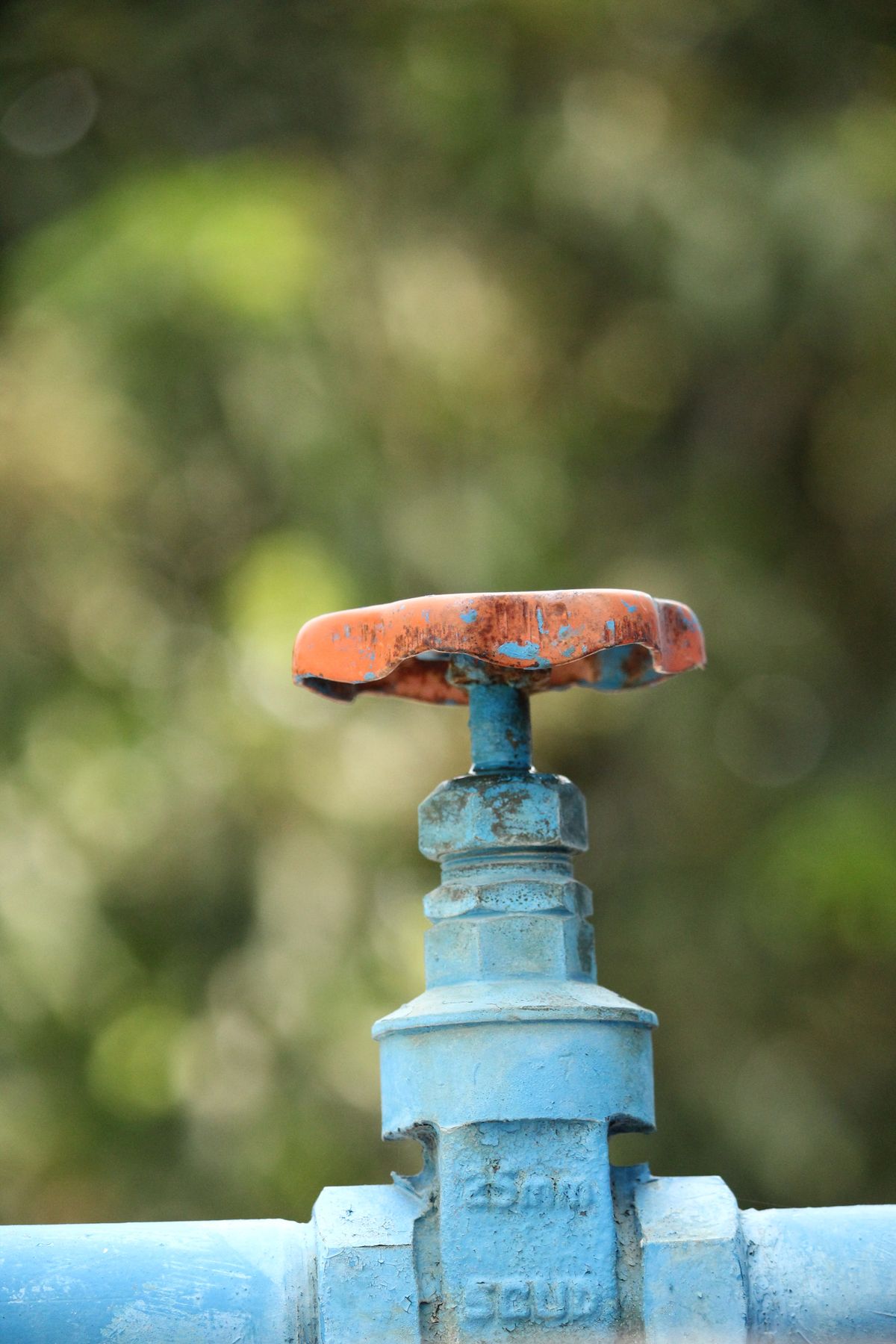
4. Take a second reading after at least two hours, or overnight, with no water used in between. If the reading is higher, water has moved through the meter while nothing was running — there is a leak.
5. Narrow it down with the internal stop tap. Turn it off and repeat the test. If the meter stops moving, the leak is inside the house. If it keeps moving, the leak is on the underground supply pipe.
If you are not on a meter, you cannot run this test. Fall back on the signs table: a wet patch that stays wet in dry weather, a pressure drop across the whole house, and a strip of faster-growing grass are your strongest clues.
Safe checks you can do yourself, in order
1. Rule out the obvious inside leaks first. Check every tap, toilet cistern, overflow pipe and outside tap for dripping. A running toilet or a dripping overflow can raise a bill without any underground leak at all.
2. Run the meter test above. Do not skip it. It is the only home check that separates “a leak exists” from “something looks damp”.
3. Walk the likely pipe route. The supply pipe usually runs fairly straight from the street boundary to the house. Look along that line for wet ground, lush grass, sinking soil, or a damp patch, and photograph anything you find.
4. Check whether neighbours are affected. Ask the houses either side whether their pressure has dropped or their bill has risen. A shared problem changes who pays.
5. Turn the water off if there is active flooding. Use the internal stop tap, usually under the kitchen sink. If water is reaching electrics, switch the electricity off at the consumer unit first and do not wade through standing water.
Do not dig to find the pipe. Digging blind risks cutting it further or hitting another service. The exact spot is found with acoustic listening equipment and pressure testing, without opening up the whole run.
Who pays to fix it?
This is the question most guides skip, and it decides the bill. Yorkshire Water’s pipework responsibility guide sets the boundary plainly:
| Pipe section | Who is responsible |
|---|---|
| Water main in the street, and the communication pipe from the main to the street boundary | Yorkshire Water |
| Supply pipe from the street boundary into your home, and all plumbing inside the home | You, as the homeowner |
| Supply pipe shared with neighbours (common in older properties) | Shared — everyone on that supply is jointly responsible |
| Supply pipe running through someone else’s private land to reach your home | Still normally you — the pipe serves your home |
| Water meter and its connections | Yorkshire Water — the meter itself belongs to them |
| Any pipework in a rented home | Normally the landlord — check the tenancy agreement first |
Two things to know before you book. First, if Yorkshire Water notifies you of a leak on your supply pipe, it can serve a Section 75 notice under the Water Industry Act 1991 requiring repair by the date on the notice. Second, check home insurance before work starts: many policies cover damage a leak causes, but not the pipe repair itself, while some include “trace and access” cover. Photograph damage and keep the plumber’s report.
When to stop and call an engineer
Stop at the checks above and call if any of these are true:
- The meter test shows water moving with everything off, and the stop tap test points to the underground supply pipe.
- Ground is sinking, cracking, or dipping, or a drive or path is softening.
- Water is flooding, or damp is spreading across a ground floor.
- You have had a Section 75 notice, or Yorkshire Water has told you the leak is on your section.
- The leak is on a shared supply, and neighbours need to agree the repair together.
- You suspect a heating-circuit leak under the floor, or a drain or sewer fault, rather than a supply leak.
If the leak is on your supply pipe, you can book water line repairs in Bradford with Plumber Bradford Pros. Call 01274 041977 and say what the meter test showed, where the wet patch is, and whether neighbours are affected. If water is flooding the home, call an emergency plumber in Bradford the same day. If you smell gas, leave the property and call 0800 111 999 first. Never open a boiler casing, and gas work is for a Gas Safe engineer only.
What does fixing an underground leak cost?
These are UK guide averages from Checkatrade’s water supply pipe repair cost guide (last updated July 2026) — national averages to budget by, not this business’s prices:
| Job | UK guide average | Typical range |
|---|---|---|
| Repair of a leaking pipe | £330 | £220–£440 |
| Leak detection (before any repair work) | Varies by method | £80–£1,600 |
| Main water service line repair | Varies by length and access | £330–£1,500 |
| Emergency plumber call-out | £112.50 per hour | £75–£150 per hour |
What moves the price: depth, length of run, whether the surface above is lawn, path or drive, whether detection is needed first, and whether it is an emergency call-out. A single, accessible leak in a sound pipe is usually a repair. Replacement is worth pricing when the pipe has leaked before, or the material is old lead or corroded iron. Before booking, check whether VAT and reinstatement are included.
Why Bradford homes get these leaks
Bradford’s older terraces and back-to-backs often have long supply pipes running from the street to the house, sometimes through a front garden or a neighbour’s land. Many were laid decades ago in materials that age badly, and some are shared supplies serving two or more houses — which is why a neighbour’s pressure drop can be part of your leak. Yorkshire Water notes that none of its mains are made of lead, but some older homes still have lead supply pipes — if yours does, ask about replacing that section at the same time as the leak repair. And if a ground-floor damp patch will not dry and the meter test is positive, check the supply pipe before paying for damp-proofing.
How to stop the next underground leak
- Read the meter once a month. A reading that creeps up with no change in use is the earliest warning there is, and it costs nothing.
- Know where your internal stop tap is. Usually under the kitchen sink. Test it once a year so it turns when you need it, and never force a seized stopcock. Our burst pipe guide shows the first-10-minutes sequence if a pipe ever fails suddenly.
- Note the pipe route and any shared supply. If you share a supply, agree in advance how a repair bill would be split.
- Do not plant trees over the pipe route. Roots seek water, and a root-damaged supply pipe is a slow leak that ends in a full replacement.
- Fix small inside leaks promptly. A dripping overflow or running toilet masks the meter test.
FAQs
How do I know if I have an underground water leak?
The strongest signs are a rising metered bill with no change in use, a patch of ground that stays wet in dry weather, a strip of grass growing faster than the rest, and a pressure drop across the whole house. The meter test gives a yes-or-no answer: turn everything off, record the reading including the red digits, and read it again after at least two hours with no water used. If it has moved, there is a leak.
Who pays for an underground water leak in Bradford?
Normally, you pay for the supply pipe from your street boundary into your home, and Yorkshire Water pays for the main and the communication pipe up to the boundary. A shared supply is a joint responsibility, and a landlord normally pays in a rented home. The meter belongs to Yorkshire Water.
Can I find an underground leak myself without digging?
You can confirm a leak exists with the meter test, and narrow it to inside or underground with the stop tap test. Pinpointing the exact spot needs acoustic listening equipment or pressure testing — digging blind risks cutting the pipe or hitting another service.
How much does an underground leak repair cost?
As UK guide averages from Checkatrade (July 2026), a leaking pipe repair is £220–£440 (average £330), leak detection is £80–£1,600, and a main service line repair is £330–£1,500. These are national guide averages, not this business’s prices.
What should I do first if I suspect an underground leak?
Run the meter test, photograph any wet patch, check whether neighbours are affected, and work out from the responsibility table whether the pipe is yours or Yorkshire Water’s. If the meter is moving with everything off, or ground is sinking, call an engineer rather than digging.
Suspect an underground leak in Bradford? Call Plumber Bradford Pros on 01274 041977 — we are at 164 Dyson Street, Bradford BD9 4DE, and telling us what the meter test showed and where the wet patch sits will point the visit the right way.