A plumbing emergency is any problem causing active damage, that is unsafe, or that will get much worse before morning. Water pouring from a burst pipe, sewage coming back up, no water at all, no heating in a freeze, and any smell of gas all count. Call a plumber now for those. A slow drip under a sink, a toilet that will not flush, or a single cold radiator can usually wait until morning, if you can stop the water and the house is safe. This guide shows you how to tell the difference, and what it costs.
Find your sign first
- Water is pouring out, or a ceiling is bulging: turn the water off at the stop tap now, then read the safe checks.
- A toilet or drain is overflowing, or sewage is coming back up: stop using water, then read the causes table.
- No water at all: check whether your neighbours have water too, then read the causes table.
- No heating or hot water: read the no heating section. Do the basic checks, but never open the boiler casing.
- You can smell gas: leave the property and call 0800 111 999. Do not wait, and do not switch anything on or off.
- Water is near sockets, lights, or the fuse box: switch the electricity off and do not wade through standing water.
- A tap has stopped working in cold weather: read the frozen pipe section. The pipe may have frozen, not burst.
- A tap is dripping, or a toilet keeps running: catch the water in a bowl. This can usually wait until morning.
What causes a plumbing emergency?
Most emergencies come from a small list of causes.
| Cause | What you will notice | Safe to check yourself, or engineer job |
|---|---|---|
| Burst or split pipe | Water pouring out; falling pressure; a stained or bulging ceiling | Turn water off; plumber fixes it |
| Frozen pipe | No water from a tap in cold weather; pipe feels cold and hard | Thaw gently (below); plumber fixes a split |
| Blocked drain or toilet | Water rising in the bowl or sink; a smell of drains | Plunger is safe; sewage backflow is a plumber now |
| Leaking toilet cistern | Toilet refills by itself; water runs into the bowl | Safe to check; can usually wait |
| Boiler fault or no heating | Fault code on the display; cold radiators; no hot water | Basic checks are safe; gas work is engineer only |
| Gas leak | Rotten-cabbage smell near the boiler or cooker | Leave and call 0800 111 999 |
| Water near electrics | Water around sockets, lights, or the fuse box | Switch power off; plumber and electrician needed |
| Dripping tap or valve | A steady drip; damp under a sink | Catch in a bowl; can usually wait |
The first five minutes: safe checks in order
Do these in order. They limit the damage before anyone arrives.
- Turn the water off at the stop tap. In most Bradford homes it is under the kitchen sink, in a downstairs toilet, or under the stairs. Turn it clockwise until the water stops. If it is stiff, do not force it. Never force a seized stop tap.
- Open the lowest tap in the house. Usually the kitchen cold tap. This drains the pipes and takes the pressure off the leak.
- Switch the electricity off if water is near wiring. If water is near a light fitting, sockets, or the fuse box, switch the power off. Do not wade through standing water.
- Catch the water and move what matters. Put bowls and buckets under the leak. Move rugs and electronics out of the way.
- Check whether it is your problem or the street’s. Ask a neighbour whether they have water. If the whole street is affected, the fault may be on the mains. If you cannot see where the water is coming from, WaterSafe’s guide to finding a water leak explains how to check if the leak is inside or outside.
- Take photos. Photograph the leak and the damage. Your insurer and your landlord will both want them.
No heating or hot water: what to check, and what not to touch
Losing heating in winter feels urgent. But the house takes hours to cool down, and a few checks often fix it.
- Check the thermostat. Is it set to heating, above the room temperature? Check the batteries if it is wireless.
- Check the boiler display. Note the fault code and the pressure. Pressure below 1 bar can stop a combi boiler. Top it up only if your boiler manual shows you how.
- Check the programmer and the power. Is the boiler switched on, and is the programmer calling for heat? A tripped fuse can look like a dead boiler.
- Reset the boiler once. If it faults again, do not keep resetting it: an engineer needs to find it.
Never open the boiler casing. Gas work is for a Gas Safe registered engineer only. If you smell gas, leave the property and call 0800 111 999. The Health and Safety Executive’s gas safety guidance for homes sets out what a Gas Safe registered engineer must do.
If the boiler keeps losing pressure or faults every day, a yearly boiler service in Bradford is the right fix: it finds worn parts before they fail in the coldest week. A boiler service costs £80 to £120 as a UK guide average (Checkatrade, March 2026).
Frozen pipes: how to thaw them safely
A frozen pipe is not yet a burst pipe, but it becomes one when it thaws: the split often shows only when the ice melts.
- Turn the water off at the stop tap first. If the pipe has split, this keeps the flood small.
- Open the tap the pipe feeds. This gives the water somewhere to go as the ice melts.
- Warm the pipe slowly. Wrap it in towels soaked in warm water. Start at the tap end and work back.
- Never use direct heat. No blowtorch, no heat gun, and no naked flame. Direct heat can crack the pipe and start a fire.
- Watch for a split as it thaws. If water sprays, turn the stop tap off and call a plumber.
Loft pipes and outside taps freeze first. If a pipe has already burst, read our guide to what to do if a pipe bursts first.
When to stop and call a plumber
Call a plumber now if any of these apply:
- Water is pouring out and you cannot stop it.
- A ceiling is bulging or dripping. Turn the water off first.
- Sewage is coming back into the house. Do not use any water, and keep children and pets out.
- You have no water at all, and your neighbours have water.
- You have no heating in freezing weather, and the basic checks did not fix it.
- You smell gas. Leave the property first, then call 0800 111 999.
- Water is near electrics.
- The stop tap is seized.
- The leak is under a floor, behind a wall, or outside the house.
For any of these, an emergency plumber in Bradford can stop the damage and make the house safe. Call Plumber Bradford Pros on 01274 041977. Say what is happening, where the water is, and whether the stop tap is off.
What happens when the plumber arrives
- First, they stop the water and make it safe. That is the priority on every call.
- Then they find the cause. Ask them to show you what failed.
- Ask for the price before work starts. Ask what the call-out covers, what the hourly rate is, and what parts cost. Get it in writing, even as a text message.
- Ask whether it is a repair or a temporary fix. Some emergency work is a safe temporary repair, with a proper fix later. Ask which one you are getting.
- Ask about a guarantee. Ask whether the repair is guaranteed, and for how long. Write down the answer and the date.
If you rent: tell your landlord or letting agent straight away, and note when you called. Emergency repairs are usually the landlord’s responsibility. Do not pay for a repair the landlord should cover without asking them first, unless water is causing damage and you cannot reach them.
If you claim on insurance: take photos before anything is moved or repaired, keep every invoice, and check for trace and access cover, which pays for finding a leak. Many policies cover the damage a leak causes, but not fixing the pipe itself.
What does an emergency plumber cost?
These are UK guide averages, not this business’s prices. The final cost depends on the job, the time of day, and the parts.
| Job | UK guide average |
|---|---|
| Emergency plumber call-out | £100 to £120, average about £110 |
| Standard plumber hourly rate | £40 to £60 per hour, average about £50 |
| Out-of-hours hourly rate | About £86 per hour |
| Emergency toilet unblocking, includes call-out | £75 to £150, average £112.50 |
The call-out, hourly, and toilet figures come from Checkatrade’s plumber call-out charges guide, last updated October 2026, and Checkatrade’s toilet unblocking cost guide, May 2026. The out-of-hours figure of about £86 an hour comes from HomeServe’s plumbing repair cost guide, citing BCIS Research, September 2026.
Out-of-hours work costs about £86 an hour against a standard £40 to £60, so a problem that can safely wait until morning is worth waiting for. A burst pipe, sewage backflow, and no heating in a freeze are not worth waiting for: the damage costs far more than the call-out.
Ask three questions first: what is the call-out fee, what is the hourly rate, and does the call-out include the first hour?
Plumbing emergencies in Bradford homes
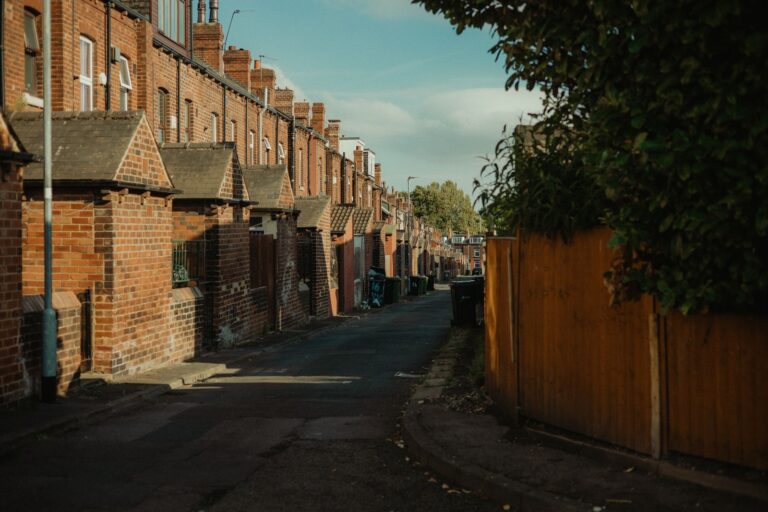
Bradford’s housing shapes its plumbing emergencies. Much of the city is stone-built terraces and back-to-backs, many with cellars, cold lofts, and older copper or lead pipes. Loft tanks are common, and loft and cellar pipes freeze first in a cold snap. Shared supplies are common too, so one leak can affect more than one house.
Stop taps in Bradford homes are usually under the kitchen sink, in a downstairs toilet, or under the stairs. In older terraces it can be in the cellar. Find yours now, and turn it off and on once a year so it does not seize.
Who pays depends on where the leak is. Yorkshire Water is responsible for the mains and the pipes up to your property boundary. You are responsible for the supply pipe from the boundary to your house, and for the plumbing inside it. If water is coming up in the street, or your neighbours have no water either, report it to Yorkshire Water on their freephone Leakline, 0800 57 35 53. A leak on your side is yours to repair, and Yorkshire Water may give you a leakage allowance once it is fixed, so ask them and keep the invoice.
Cold snaps cause most of Bradford’s winter emergencies: the burst shows when frozen pipes thaw, often while the house is empty. Lagging loft pipes and keeping the heating on low costs far less than one emergency call-out.
How to stop the next emergency
- Know where your stop tap is. Show everyone in the house.
- Lag pipes in the loft and cellar. Foam lagging is cheap.
- Service the boiler every year. Do it before winter.
- Replace old flexible hoses. A burst hose can flood a kitchen in minutes.
- Fix small drips straight away. They are small jobs now and emergencies later.
Frequently asked questions
What counts as a plumbing emergency?
Any problem causing active damage, that is unsafe, or that will get much worse before morning: a burst pipe, sewage coming back up, no water at all, no heating in a freeze, and any smell of gas.
Can a burst pipe wait until morning?
No. Turn the water off at the stop tap, open the lowest tap, and call a plumber now. A burst pipe floods a house in hours, and the damage costs far more than the call-out.
How much does an emergency plumber cost in Bradford?
As a UK guide average, an emergency call-out costs £100 to £120, about £110 on average, and a standard plumber charges £40 to £60 an hour. Out-of-hours work is about £86 an hour. These are Checkatrade and HomeServe guide averages, not this business’s prices.
Who do I call if I smell gas?
Leave the property and call 0800 111 999, the National Gas Emergency Service. Do not switch anything on or off.
I rent my home. Who pays for an emergency plumber?
Tell your landlord or letting agent straight away. Emergency repairs are usually the landlord’s responsibility, but your tenancy agreement sets the detail. Do not pay for one without asking first, unless water is causing damage and you cannot reach them.
Will my home insurance cover an emergency plumber?
Often, partly. Many policies cover the damage a leak causes, and some include trace and access cover, which pays for finding a leak. Many do not cover fixing the pipe itself. Take photos first, keep every invoice, and call your insurer before the repair.
Plumber Bradford Pros, 164 Dyson Street, Bradford BD9 4DE. Call 01274 041977.